Why Factory Relocations Are High-Stakes Projects
Factory relocations are high stakes projects, where the success or failure of the relocation will depend on the level of detailed planning, the rigor of feasibility studies, the execution of the plan / timeline and the quality of both the factory relocation services and the skilled team selected to undertake the relocation process.
Strategic Planning & Feasibility Assessment
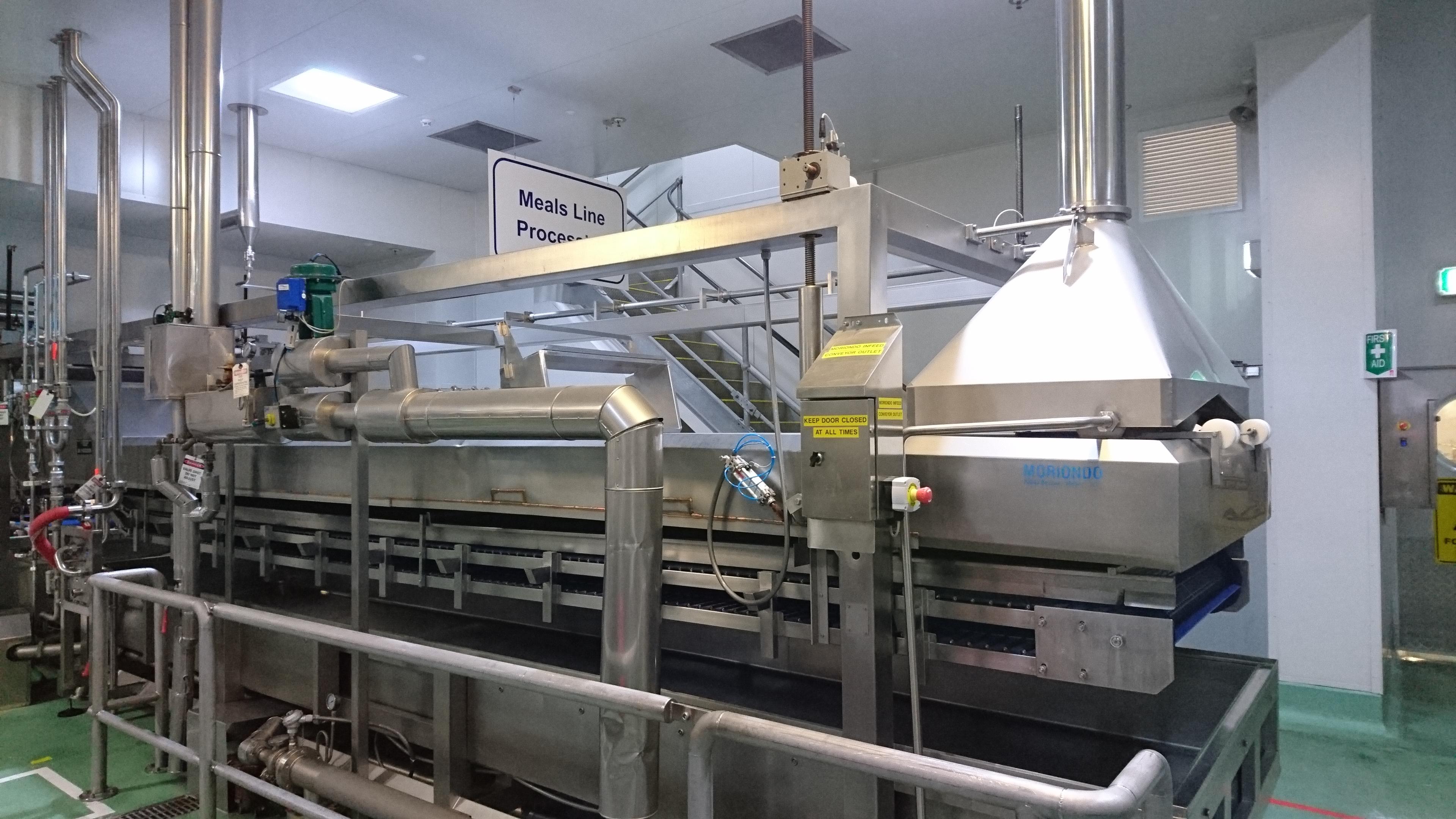
Strategic planning and feasibility assessment is the first step and most critical steps in the relocation process. Strategic planning and feasibility studies, will provide your business with the opportunity to:
- Define clear goals for the project and determine what success looks like
- Conduct feasibility studies to gain insight into operational needs, financial costs and logistical requirements.
- Evaluate the suitability of the new location in terms of current service capacity, personnel availability, transportation routes, operational challenges etc.
- Develop preliminary CAPEX budgets for consideration.
- Address risk mitigation early, including constraints such as space, access, regulations, costs etc.
It is essential for any business to invest the necessary time and resources into thorough strategic planning and feasibility assessments to ensure a succesful relocation.
Building a Detailed Relocation Timeline
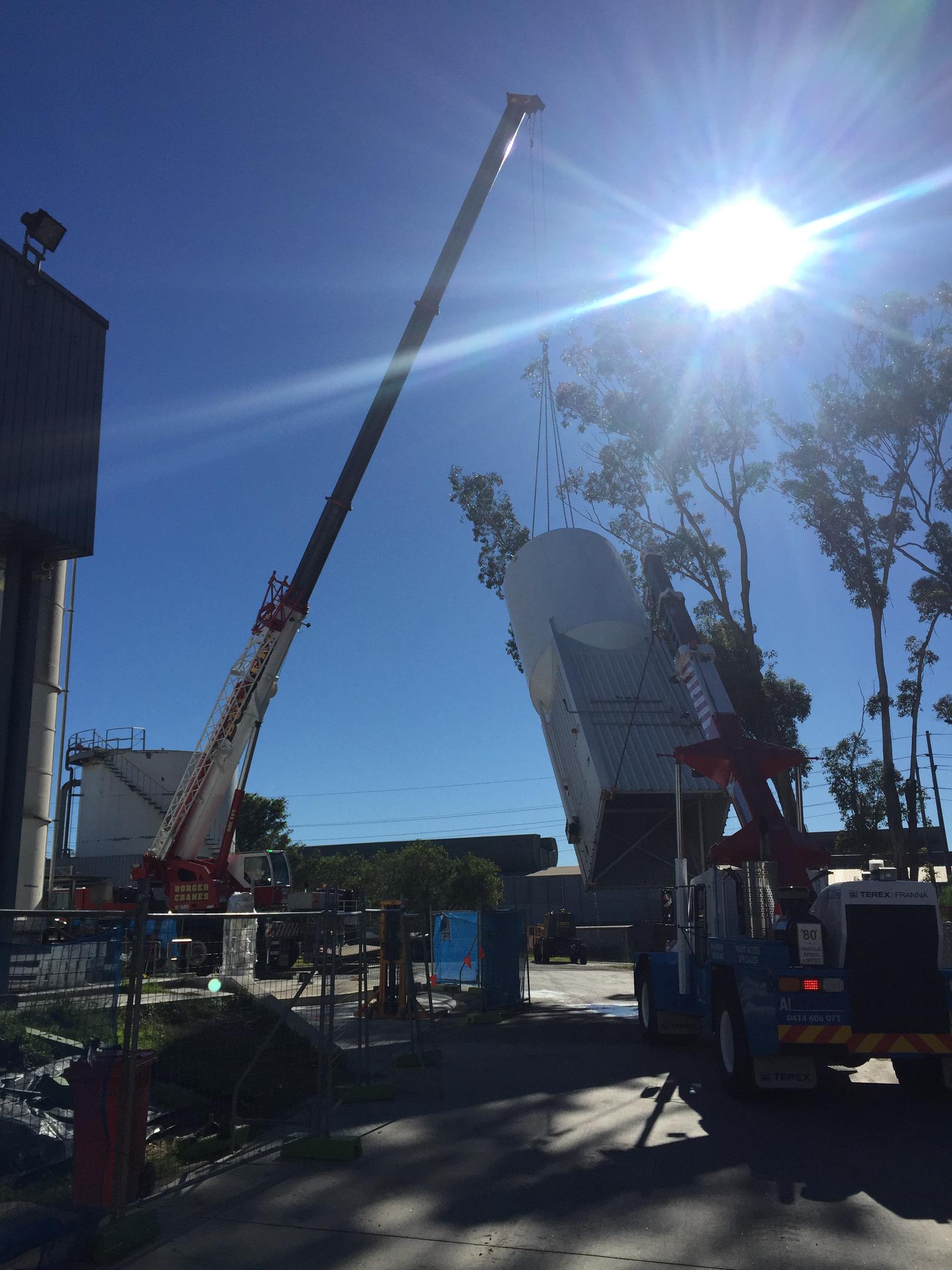
Building a detailed relocation timeline is paramount to ensuring that correct time allocation and timelines are established to ensure the project duration is aligned with the businesses strategic planning.
The factory relocation timeline should be broken into various stages such as planning, preparation, execution and commissioning. Within each of the stages critical path activities such as equipment shutdowns, production windows and critical timelines should be identified and planned, to ensure specialised equipment and any additional factory equipment, critical to production is relocated to ensure careful planning for minimal disruption and minimal downtime.
Additionally, careful consideration should also be given to incorporating buffers for potential delays such as weather and approval processes, and it is paramount to avoid overly optimistic or unachievable timelines.
Regulatory & Compliance Requirements in Australia
When planning to relocate equipment and machinery to a new location it is extremely important that clients consider and account for the following:
- Environmental regulations (EPA requirements, waste disposal, emissions)
- Workplace Health & Safety (WHS) compliance
- Industry-specific standards (e.g. food, pharmaceuticals)
- Transport permits for oversized or heavy equipment
It is recommended that to avoid any unnecessary or costly delays that compliance experts are engaged early in the planning process.
Asset Audit & Equipment Mapping
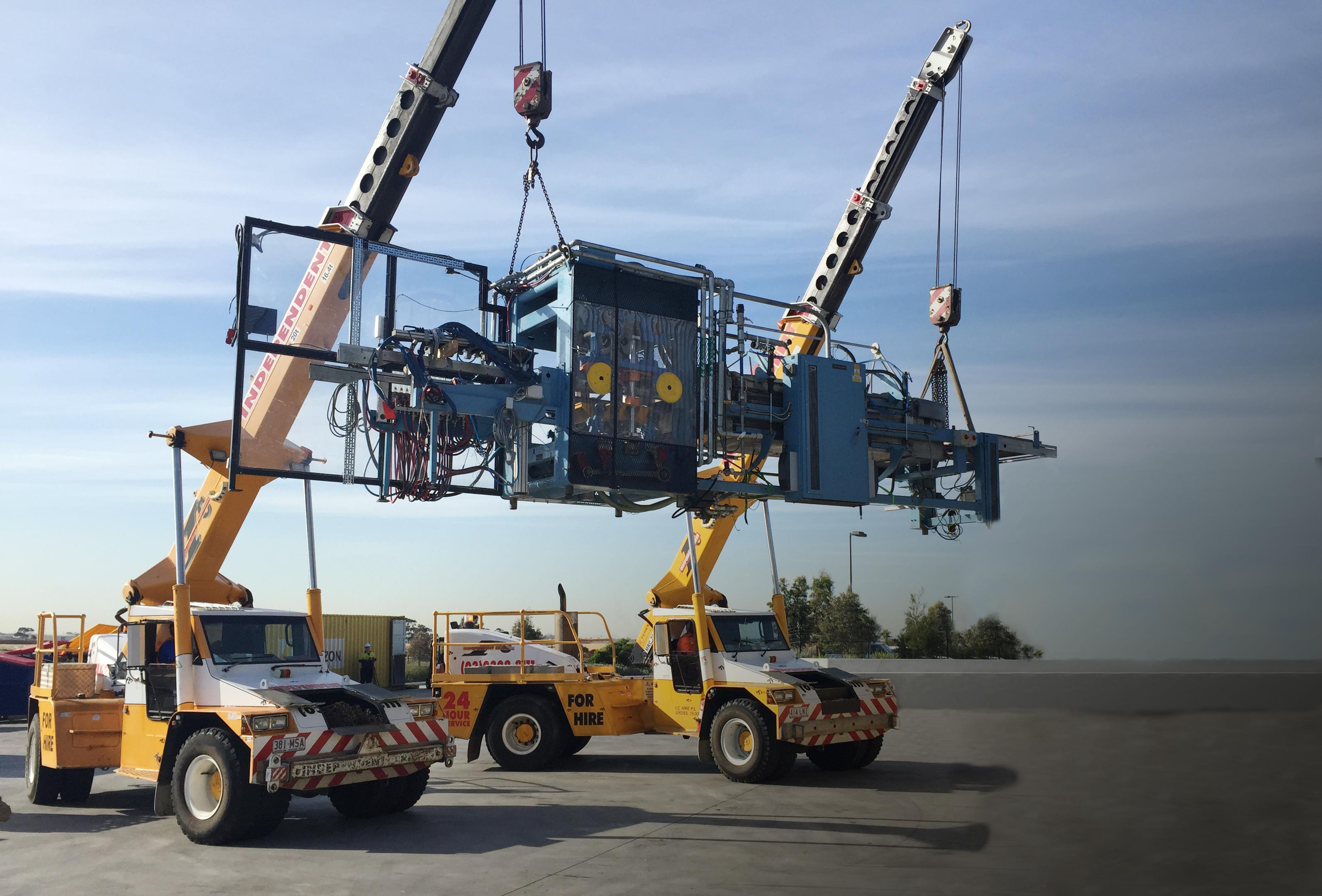
As part of the planning and execution stages of the machinery relocation, it is important to complete an asset audit of all factory equipment and plant that will form of the relocation. Creating a detailed asset list of all machinery, tools, plant and equipment will ensure that your business is equipped to manage and track the relocation of all equipment.
A complete asset audit and equipment mapping process should be undertaken prior to the dismantling, storage or removal of any machinery to prevent loss, misplacement or damage.
Risk Assessment & Mitigation Planning
Risk assessment and mitigation planning is a critical process to ensure a proactive approach to any potential major risks that may occur. Conducting risk assessments and developing contingency plans for each major risk is extremely beneficial to ensure any and all impacts are considered.
Choosing the Right Relocation Partners in Melbourne
Choosing the right relocation partner for your factory move is crucial to the overall success of your project. Appointing the right factory relocation provider will ensure that your move will be completed in an efficient, cost effective, stress free manner.
When selecting your relocation partner, careful consideration should be given to the following:
- The businesses credentials as a specialist in factory relocations
- Evaluating the company’s expertise within similar industries and associated plant
- Reviewing projects that have been completed by their business and looking for evidence of their extensive experience and capabilities in relocation services
- Assessing capabilities in fields such as rigging, transport, installation, project management
- Safety records, safety processes and the required insurances
Failure to complete a thorough review of potential factory relocation services providers may result in poor vendor choice leading to costly delays, lost production downtime, delayed orders, damaged equipment and poor co-ordination.
Equipment Decommissioning & Transport
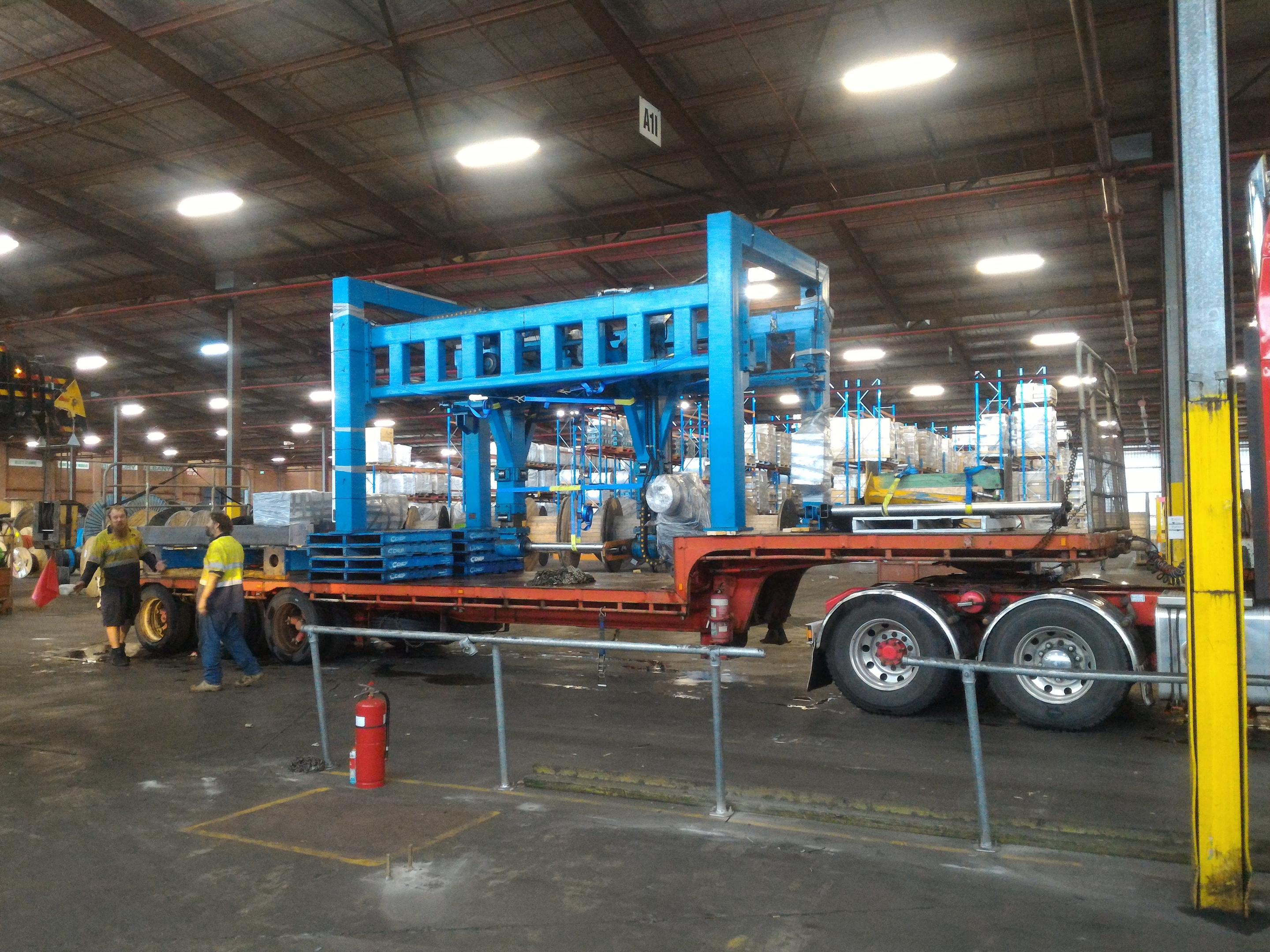
Equipment decommissioning and transport is an important part of the relocation process. It is vital that where possible, manufacturer guidelines are reviewed to ensure that shutdown and disassembly procedures are followed.
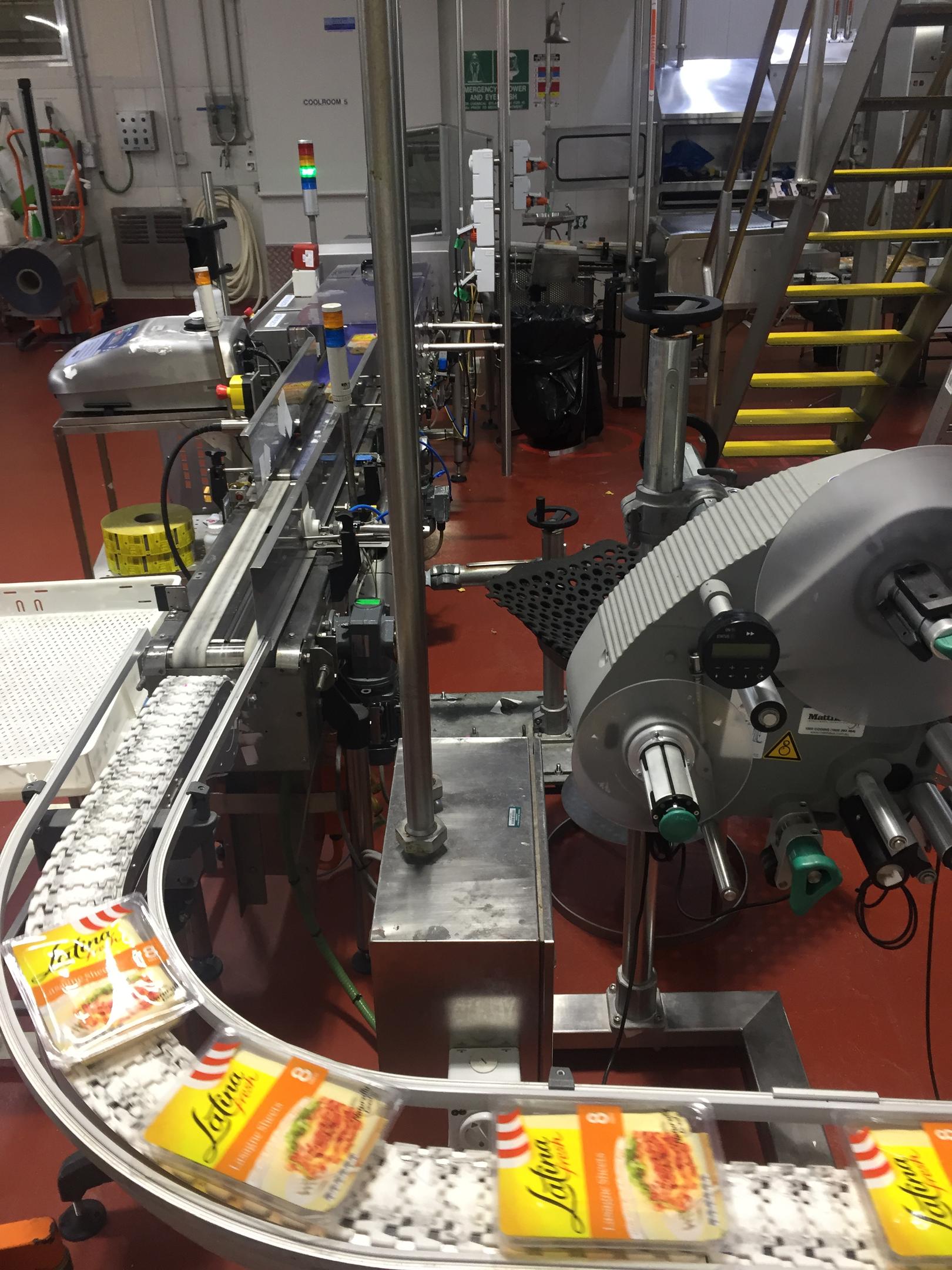
Trained professionals and a skilled team are vital to ensuring the careful handling of all equipment, plant and machinery is undertaken in manner to avoid damage. Such expertise will include the review of correct packing, crating and protection methods. Heavey haulage requirements such as crane trucks, frannas, forklifts will also form part of the considerations for lifting and transportation requirements.
Installation, Commissioning & Testing
Engaging the right factory relocation professionals is critical to the succesful and smooth execution of the installation, commissioning and testing phases of the job.
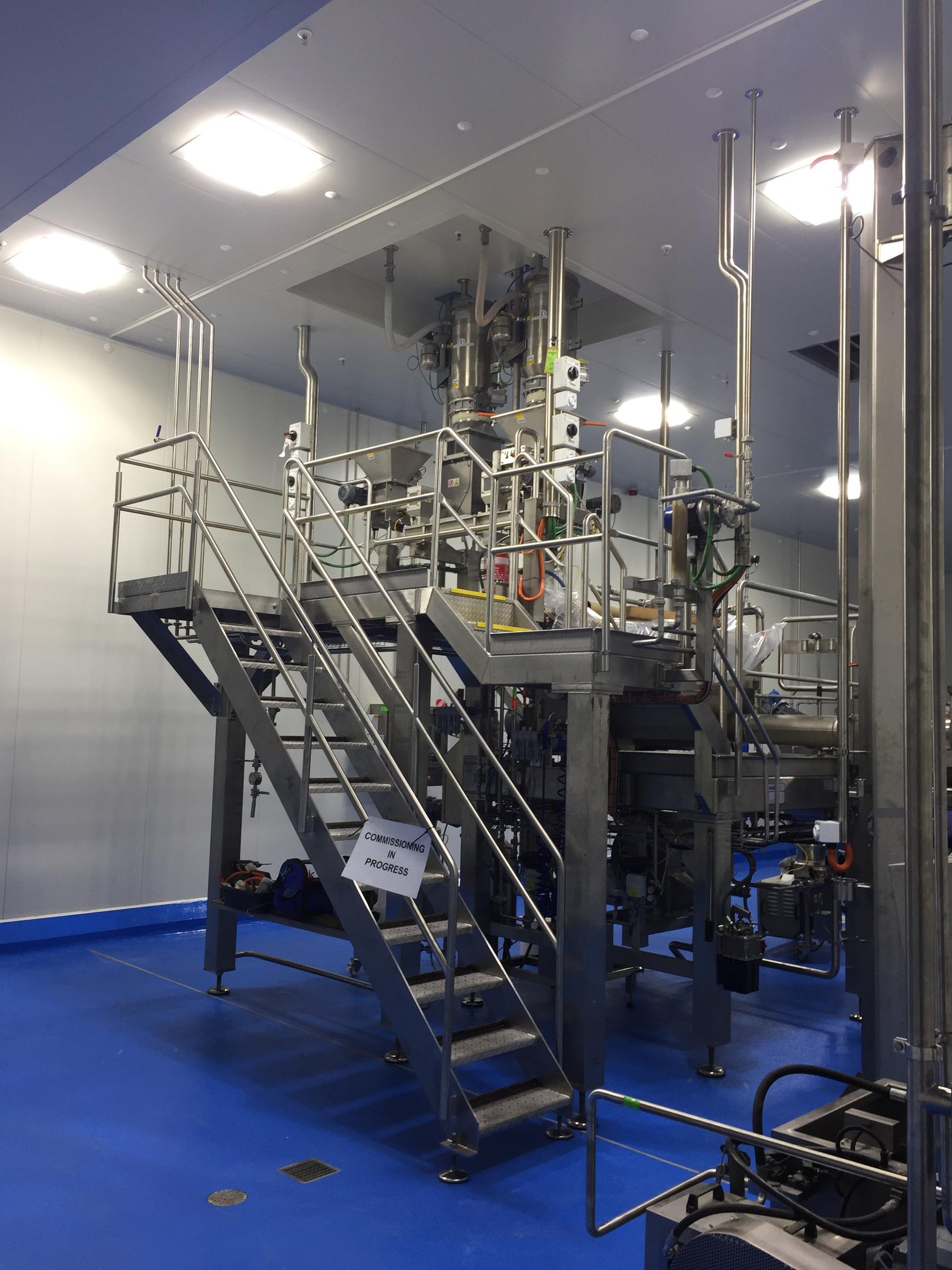
During the installation phase, a skilled team of trades personnel will manage and execute all aspects of the relocation, including dismantling, transit, relocation and reinstallation of factory equipment, plant and furniture. This ensures that all machinery is installed with precision and that the overall process is carried out in a smooth and seamless manner.
The commissioning and testing phases provide operations with the opportunity to run production or packaging lines prior to the commencement of full scale production. This period is vital to ensuring that equipment operates to suit business requirements and that the operations team can rely on the machinery / equipment to operate at optimal efficiency.
Minimising Downtime During the Move
Minimising downtime during the factory relocation is pivotal to ensuring that the move is completed in an efficient, cost effective and seamless manner.
Relocation services should include carefully planned timelines that consider the following:
- Phased / Staged relocation timelines
- Maintaining partial production and packaging operations where possible
- Consideration temporary production solutions and inventory build ups
- Scheduling the relocation of equipment during low-demand periods
By carefully scheduling the factory move, clients can ensure that production is maximised to continue to nurture client relationships and maximise cost efficiencies.
Common Mistakes to Avoid in Factory Relocations
Some of the most common mistakes made by clients when undergoing factory relocations is are:
- Underestimating time and budget requirements
- Poor communication across teams and vendors
- Lack of detailed planning and documentation
- Ignoring compliance and permit requirements
- Selecting factory relocation professionals based on price rather than considering the importance of expertise
- Failing to test equipment properly before full production
- Risk mitigation: learning from these reduces costly setbacks
Why Choose Jarlam as Your Factory Relocation Partner
Jarlam Australia is an industry leader in professional relocation services across Melbourne and throughout Australia. With a strong reputation for delivery cost effective, turnkey solutions, Jarlam provides clients with a comprehensive range of services they can rely on to relocate operations efficiently and securely.
Back by a skilled team of tradespersons, Jarlam specializes in moving complex equipment with precision, ensuring every project is completed to the highest standards of safety and care. Whether projects are delivered over a week or across extended timeframes, clients benefit from secure handling, reliable logistics, tailored solutions and storage when required.
With extensive experience and proven capabilities, Jarlam continues to set the benchmark for professional relocation services, offering dependable, end to end support that businesses can trust.
Jarlam Case Studies: Factory Relocations
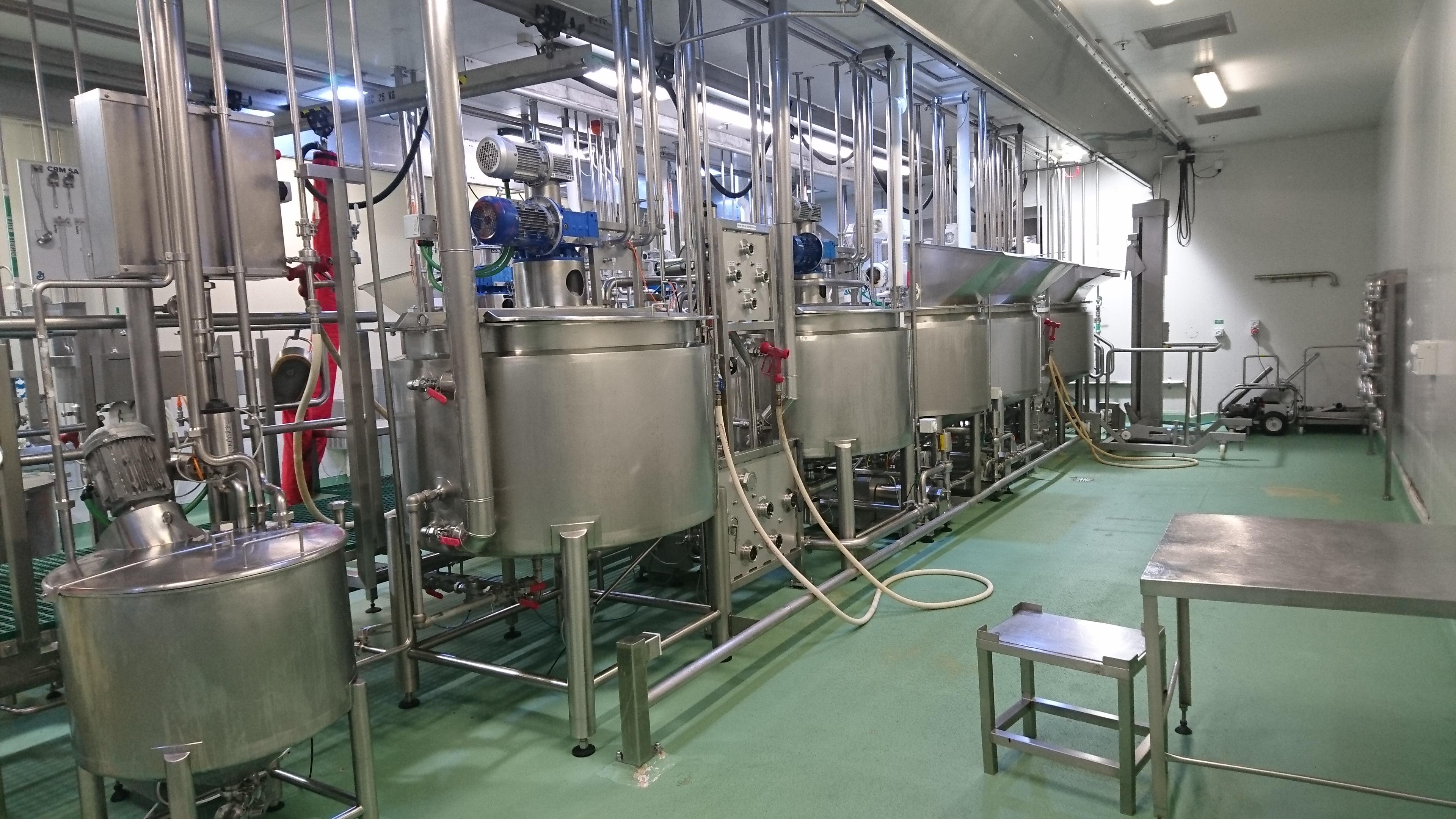
We invite you to review our case studies to see how Jarlam succesfully delivers tailored installation and relocation solutions across a range of industries and project environments.
If you would like to discuss your upcoming equipment installation or relocation project, we encourage you to make contact to secure our services.