Understanding the Basics: Custom vs Off-the-Shelf Conveyors
The needs of your business will ultimately determine whether a custom or off the shelf conveyor system is best suited to your operations. Custom conveyor systems are specifically designed and built to meet the unique requirements of an operation, whereas off the shelf conveyors a bulk produced and not designed to individual needs.
Key factors to consider include your budget, project timeline and complexity of your operational requirements. Custom conveyor manufacturers will work closely with you to design and fabricate a customized conveyor belt system that is fit for purpose and suitable for your operations. In contrast, off the shelf conveyor manufacturers typically offer standardized solutions with broader specifications based on available stock, materials and belt availability which may not fully align with your specific operational demands.
What Custom Conveyor Design Really Means
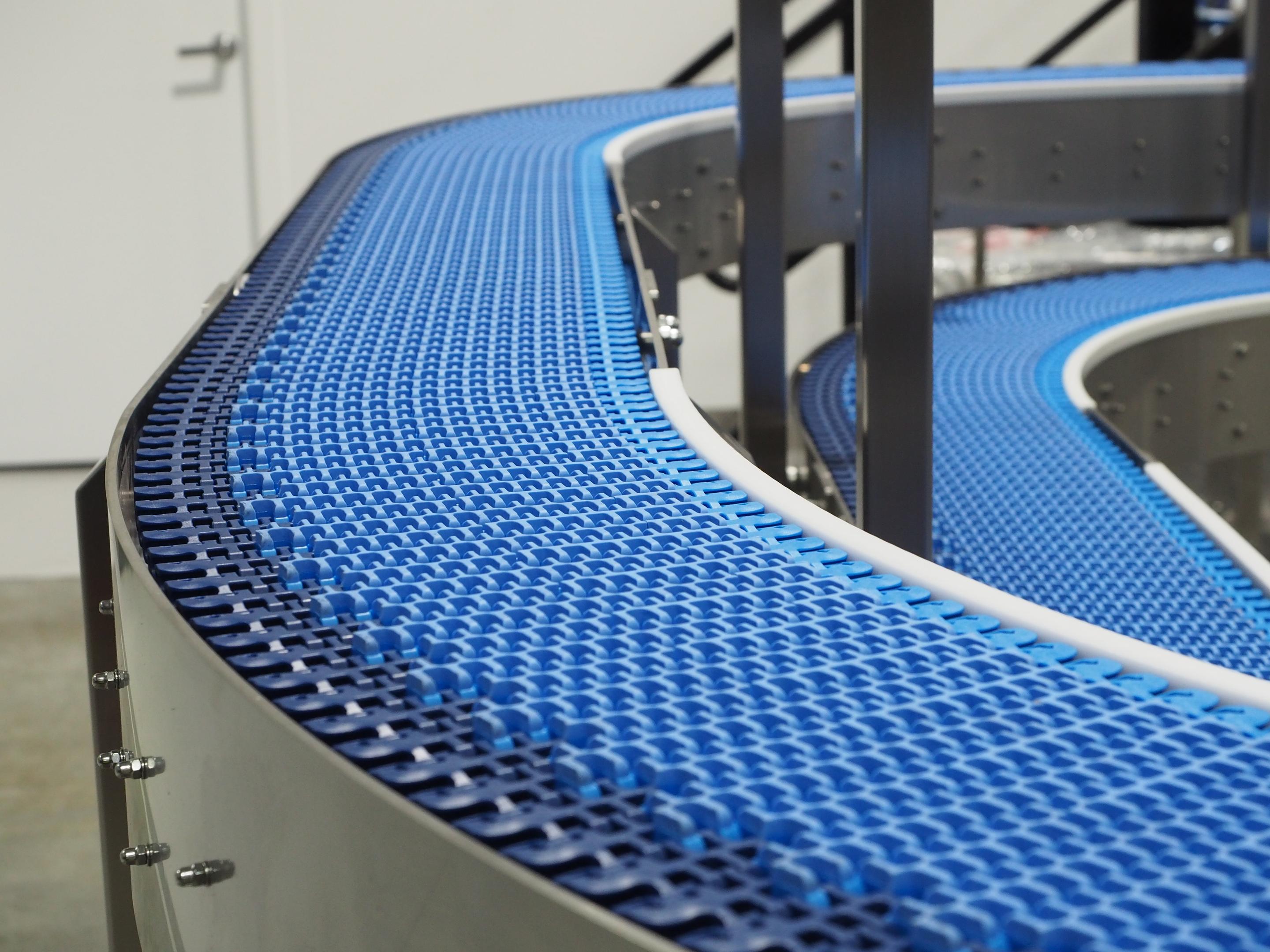
Customized conveyor products are specifically designed to meet the growing needs of a business. Each conveyor is designed with materials and fabrication in mind based on product requirements, production needs, productivity and the associated throughput required.
Clients will experience a collaborative approach to design that will include flexibility in layout, belts, materials, automation requirements and any integration into existing equipment and processes, whilst also considering long term scalability considerations.
What You Get with Off-the-Shelf Conveyor Systems
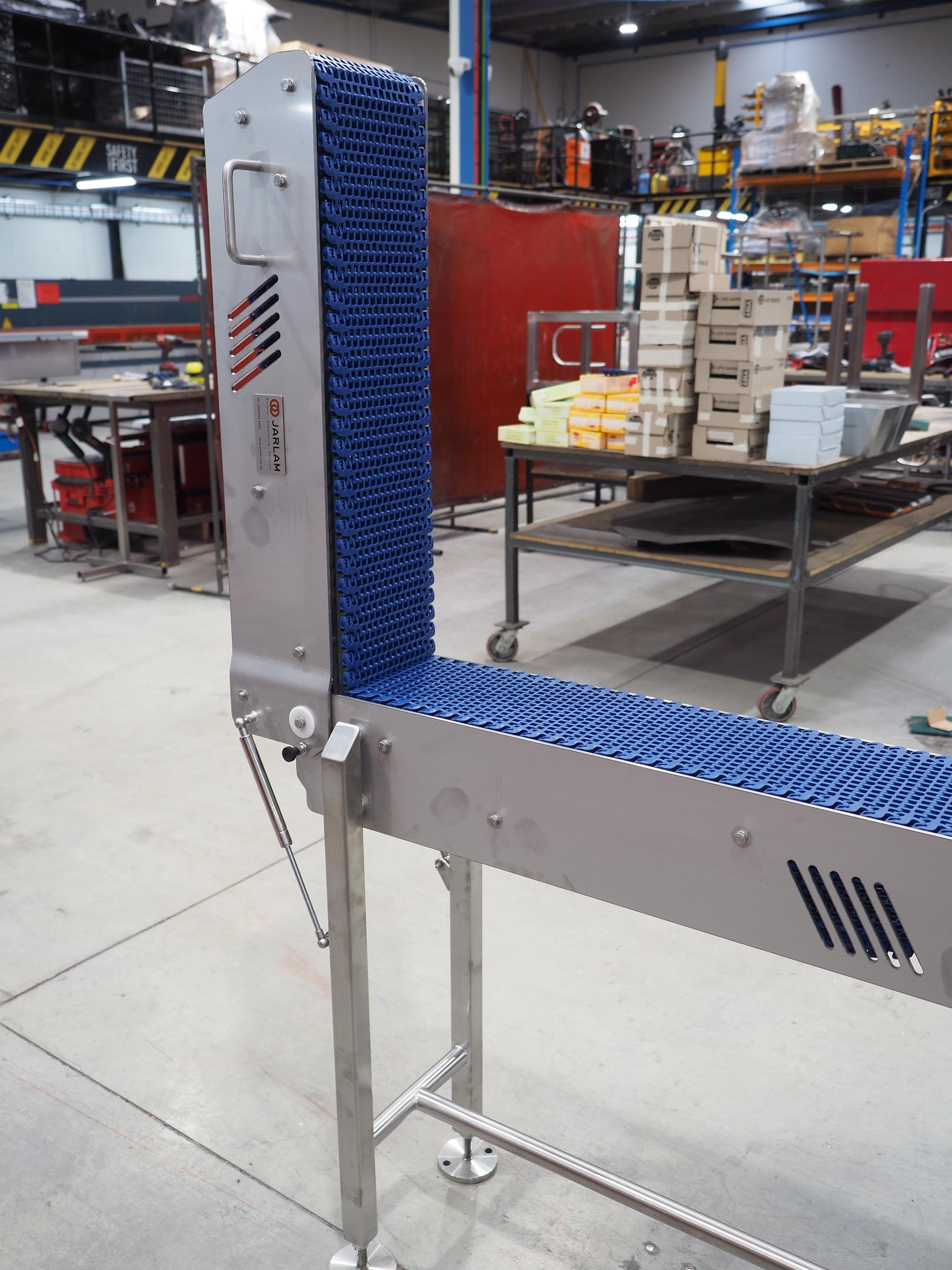
Off the shelf conveyor systems are conveyor products that will include standardized designs, belts, materials and configurations. Whilst there will be faster availability and lower upfront investment, choices will be limited and clients will need to choose best fit scenario designs for operations rather than fit for purpose customised conveyors.
Cost Comparison: Upfront vs Lifetime Investment
Off the shelf conveyor products typically involve lower upfront investment in comparison to customised conveyor systems. However, it is important to consider additional factors that can impact long term value and return on investment:
- Longevity: Conveyors designed for their specific application generally have a longer lifespan due to better alignment with operational demands.
- Maintenance: Conveyors not designed for their intended purpose often require more frequent maintenance, leading to increased downtime and reduced productivity.
- System Limitations: Off the shelf conveyors may present limitations in performance and adaptability and safety whereas custom stainless steel conveyors are designed with future requirements and scalability in mind.
Businesses often make the mistake of choosing the cheapest option upfront. When evaluating ROI, it’s essential to consider the total cost of ownership over the entire lifespan of the conveyor, rather than focusing solely on the initial purchase price.
Performance and Efficiency Differences
Peformance and efficiency must be carefully considered when deciding between a customised or off the shelf conveyor solution.
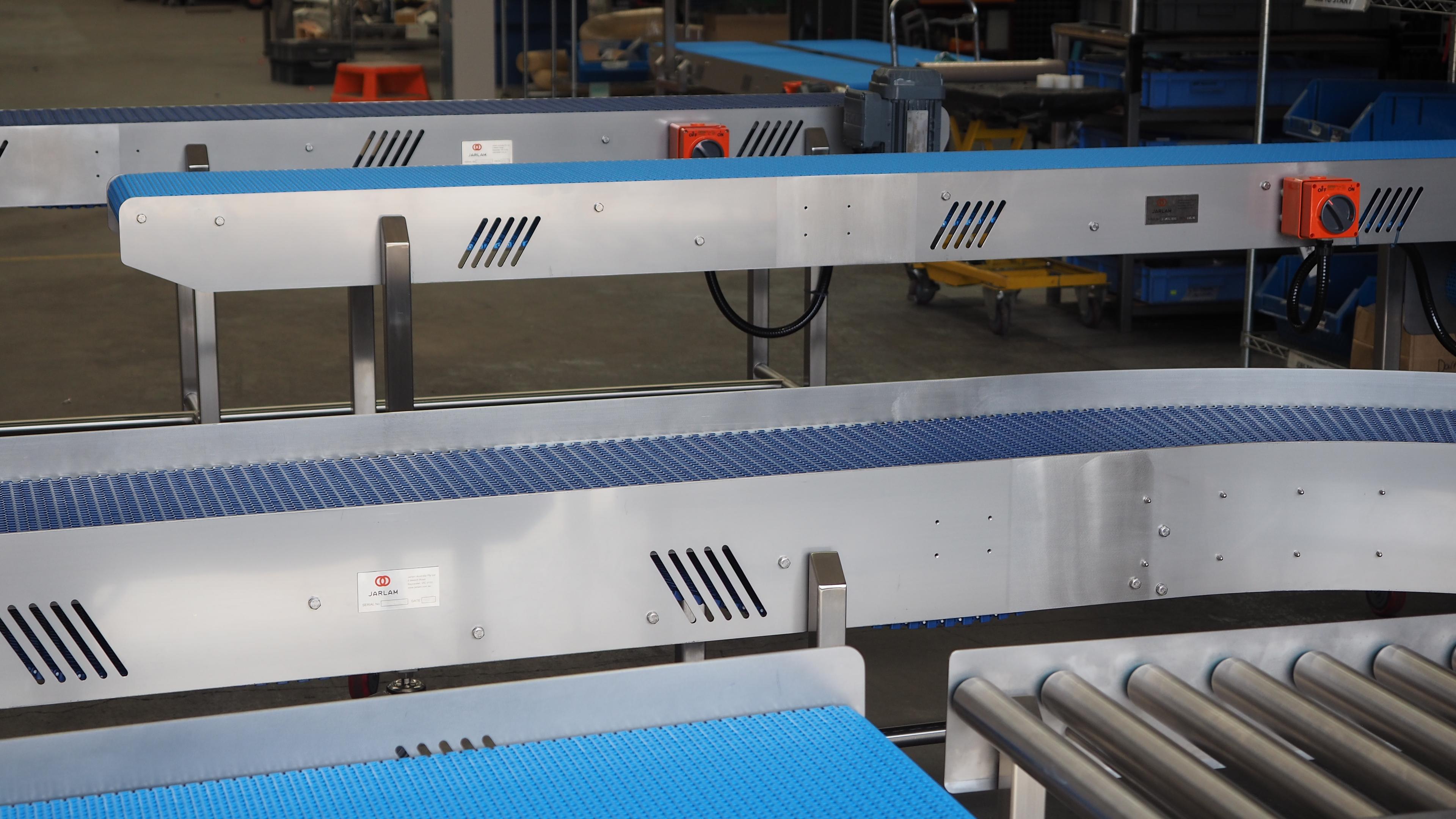
If maximum performance and efficiency are critical to the overall performance and success of a project, than a business should consider a fully customised, fabricated and engineered solution. By choosing to purchase a fully customised and engineered solution, conveyor manufacturers work collaboratively with the client to design and deliver solutions that achieve specific requirements, ultimately maximising performance and boosting productivity.
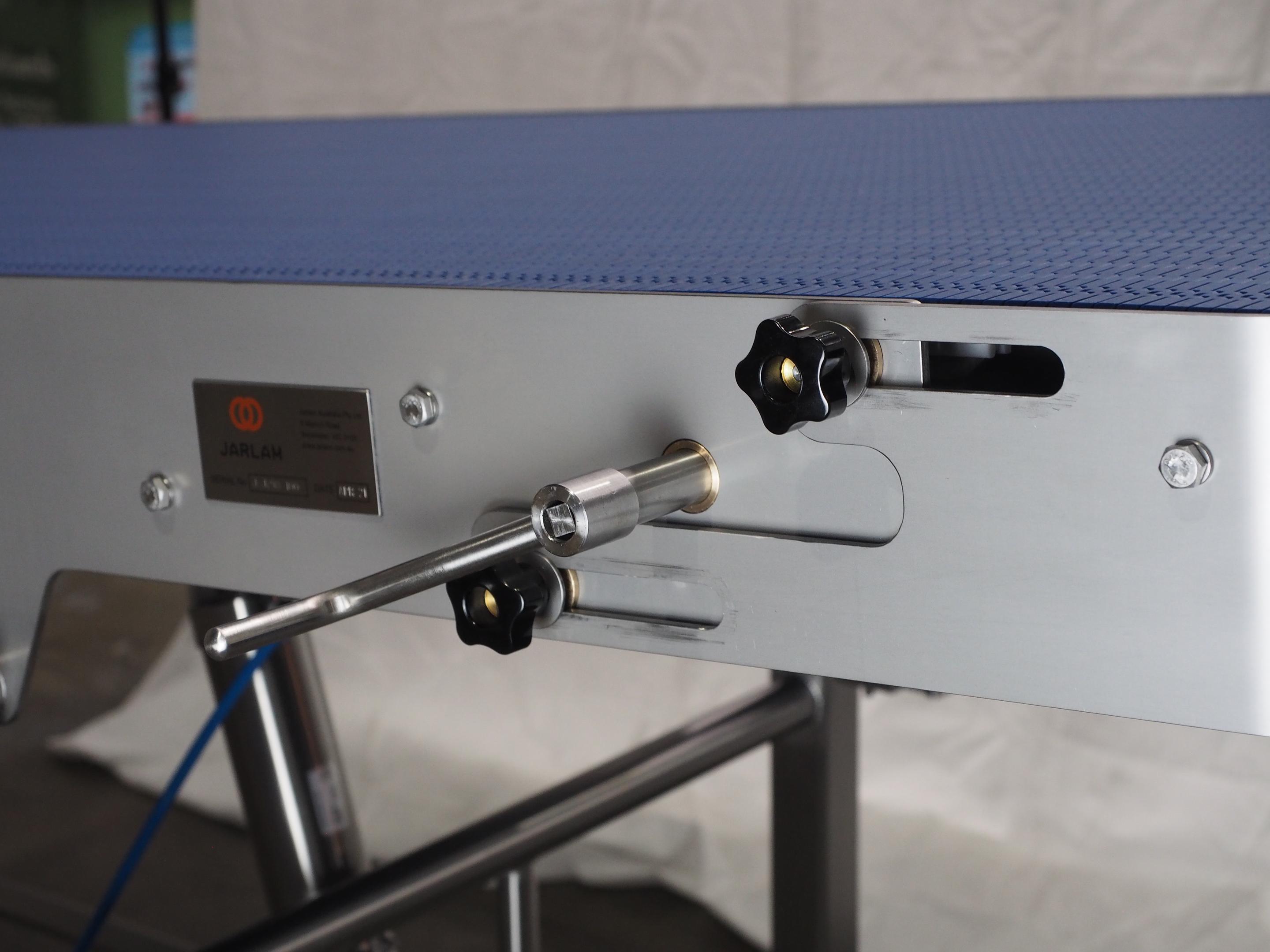
Various solutions such as belt selection, key features, motors, pulleys, idlers etc will all be considered as part of the customised conveyor design. This ensures optimal throughput, improved energy efficiency, enhanced reliability and efficient operations.
When considering the overall lifespan of a conveyor system, customised solutions typically deliver more consistent reliability and efficiency. The is because the system is purpose built for its environment, industry and application. As a result, the conveyor is better equipped to handle operational demands, leading to reduced downtime, fewer bottlenecks and improved productivity and output consistency.
Flexibility and Scalability for Future Growth
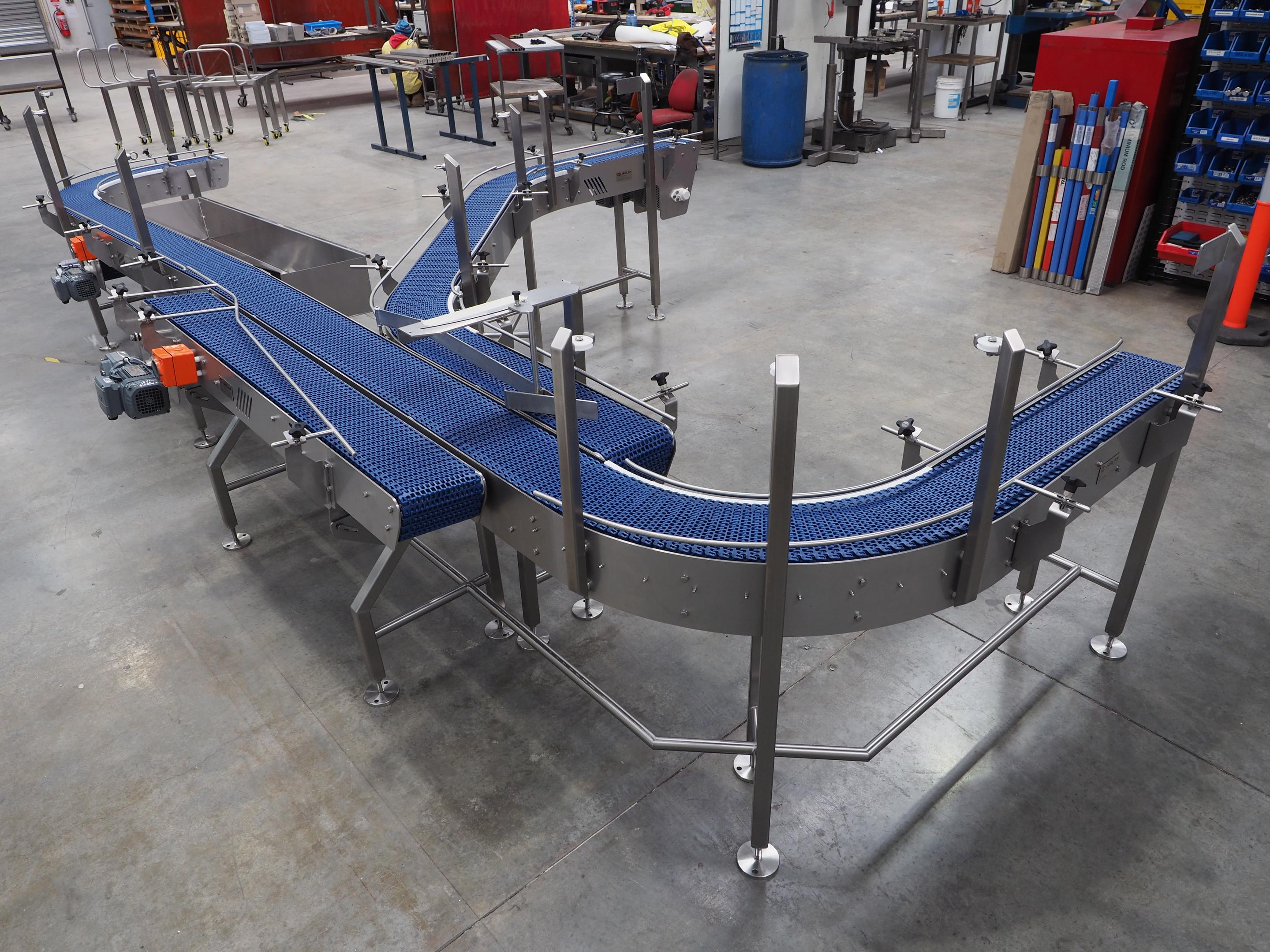
When considering conveyor options, it is essential to consider flexibility, scalability and future growth. To ensure the conveyor remains fit for purpose over time, the following factors should be considered:
- Ease of modifying custom-built or off the shelf conveyors
- Challenges with scaling off-the-shelf systems
- The ability to integrate with future automation systems
- The compatability with varying product types
- Safety compliance adaptability
- Supplier support and ongoing service
- Modular design capabilities
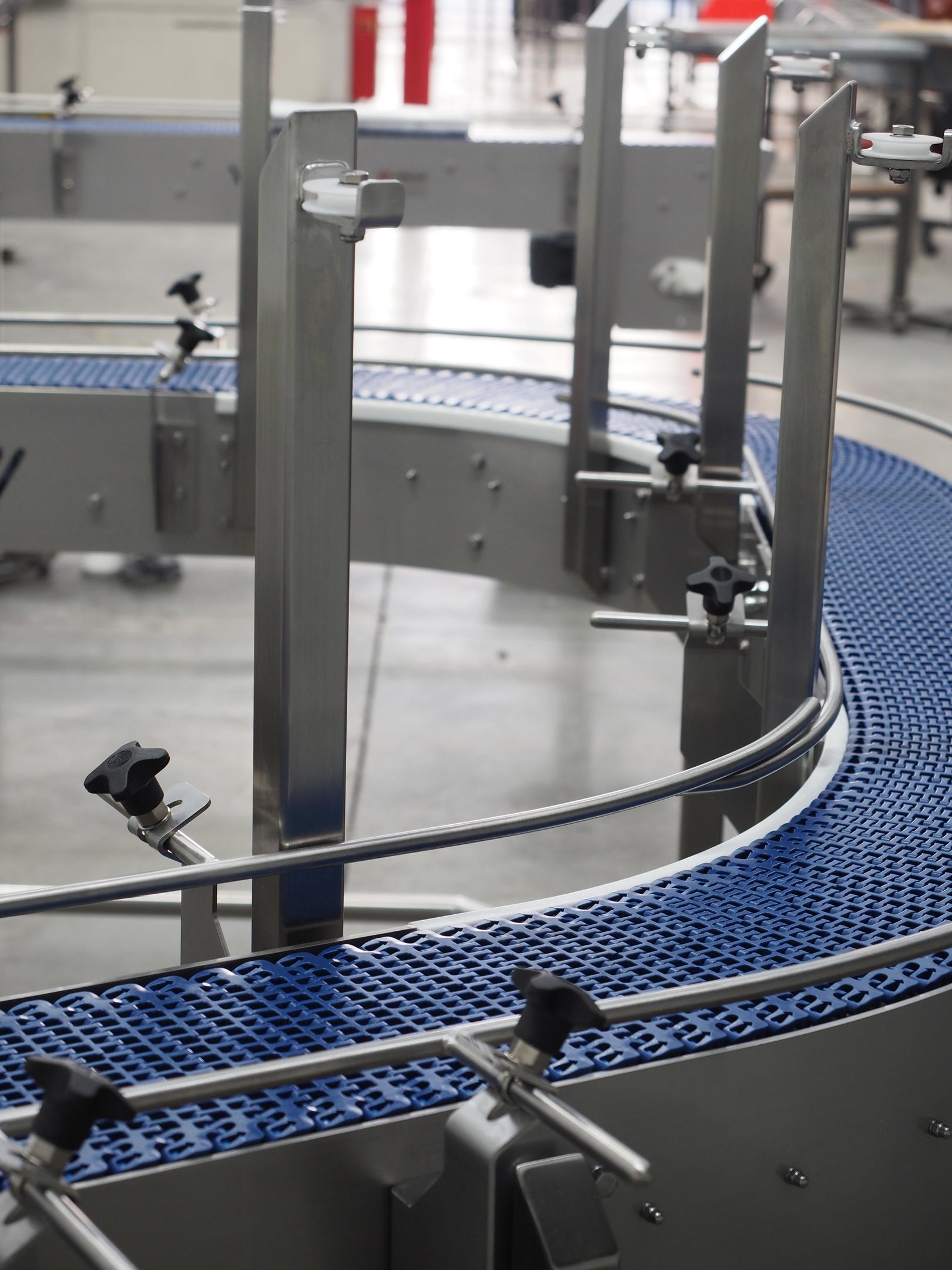
A company should also consider the type of conveyor required, as this will determine whether an off the shelf is appropriate or if a customised system is needed to meet the specific operation requirements. The type of conveyors to be considered are:
- Roller Conveyor
- Spiral Conveyor
- Modular Conveyor
- Belt Conveyor
- Chain Conveyor
- Flexible Conveyor
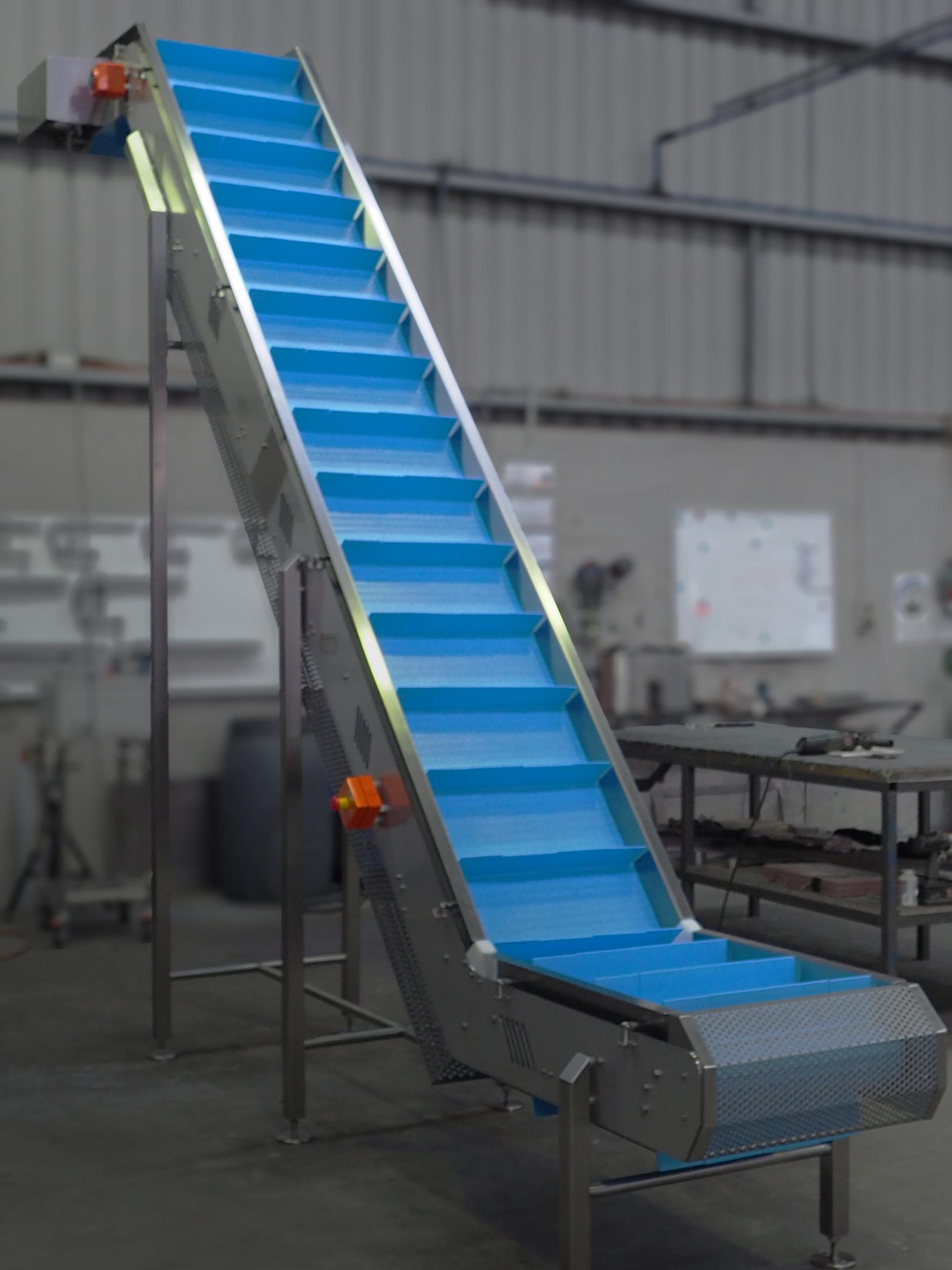
- Incline / Decline Conveyor
- Underground Conveyor System
- Powered Roller Conveyors
- Flighted Conveyor and many more
Lead Time and Implementation Speed
Typically, off the shelf conveyor solutions offer shorter lead times compared to customised conveyor systems. However, businesses must carefully consider the tradeoff between speed and precision and how the tradeoff will influence project timelines, performance requirements and overall outcomes.
Industry Specific Use Cases
The industry in which the conveyor will operate has a significant impact on conveyor options available. As an example, conveyors used in mining or warehousing will have very different requirements compared to those used in the food, beverage or abattoirs industries.
Conveyor manufacturers with extensive experience in the various industries will be able to provide the support and guidance, required to determine if a conveyor system will able to deliver on core production line / facility requirements.
Customers may find that to meet the applicable industry requirements that custom conveyor solutions will be required to ensure that the following items are considered:
- Specific belt solution / features for products (ie Mining vs Food)
- Equipment considerations to ensure efficient operation
- Quality fabrication solutions are adopted to meet industry requirements.
- Design and fabrication is suitable to handle products being transferred to ensure the overall longevity of the conveyor
- Required safety standards for Australia are met
ROI Breakdown: Which Option Delivers More Value?
When considering which option delivers more value, customers need to consider short term and long term return on investment. Whilst off the shelf conveyor manufacturing teams often involve a lower upfront cost, it is essential to also evaluate long term ROI.
Typically, customised conveyor solutions deliver greater value over time. This is because all components such as materials, equipment, belt, motors, pulleys etc are designed and fit for purpose, for the intended application. Unlike off the shelf systems, fit for purpose conveyors are designed to handle and operate efficiently within their environment, resulting in reduced downtime, maximum productivity and reduced ongoing maintenance costs.
An additional benefit of investing in a customised solution, is thee expertise provided by experienced conveyor manufacturers. They work closely with clients by assessing site conditins, reviewing layouts, and understanding throughput requirements to cater for requirements that maxmise space utilisation and operational efficiency, utlimately delivering stronger long term ROI.
Choosing A Custom Conveyor Manufacturer For Various Solutions
The best conveyor manufacturer teams are partners looking for long term relationships to work alongside your business to support your current and future needs. Your selected partner should have a strong reputation within the industry and demonstrated ability to deliver in house your desired conveyor system.
Demonstrated ability in your selected industry will ensure they have the knowledge, innovation and capabilities to handle conveyors in industries such as warehousing, food processing, pharmaceutical, logistics, mining underground conveyor systems etc.
An added advantage would be the ability to provide installation teams to flow on from the conveyor manufacturing, to ensure operational excellence and delivery of the outcomes from commencement to completion.
Why Choose Jarlam Australia For Your Custom Conveyor Solution
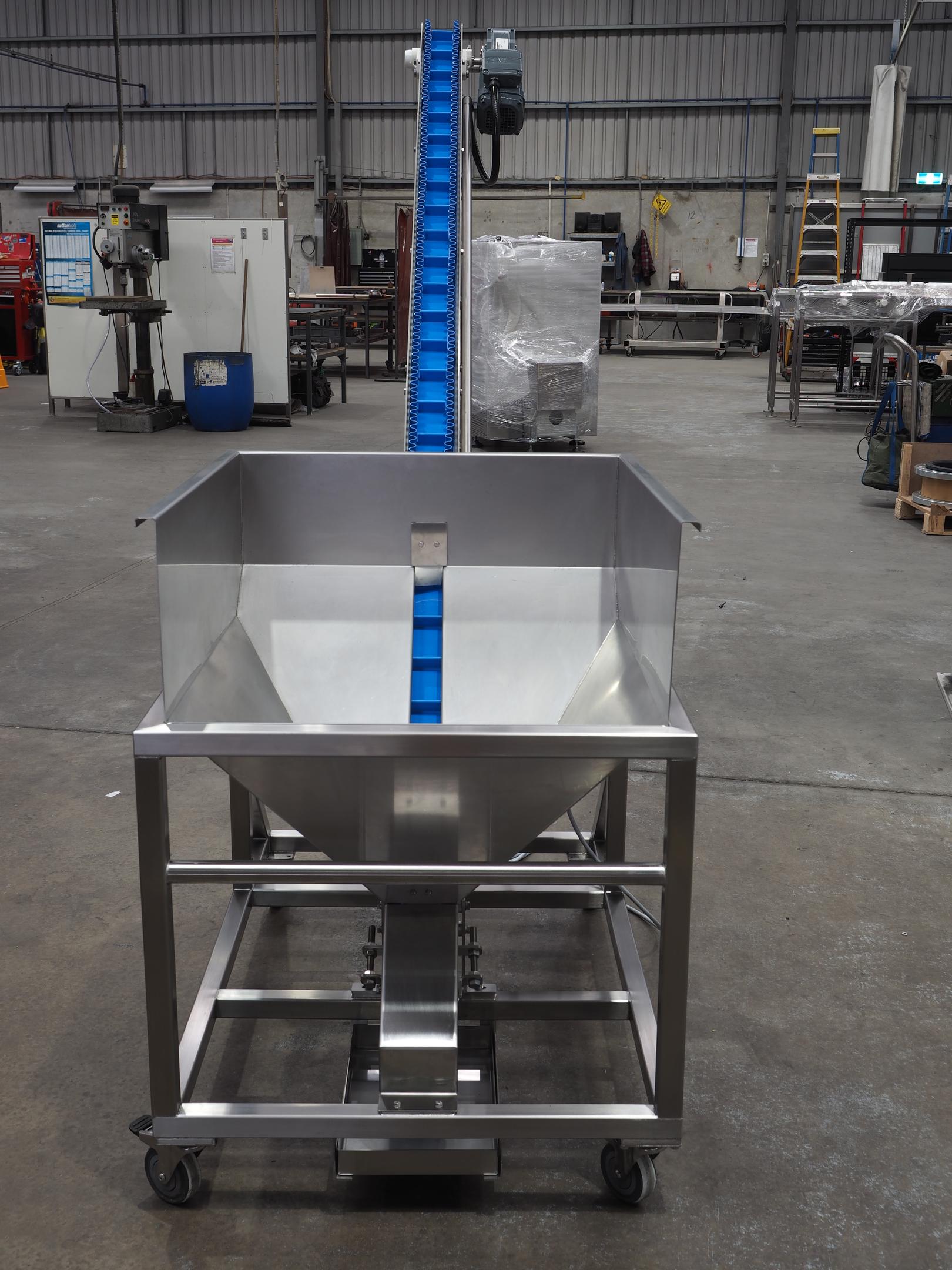
At Jarlam Australia we have a strong commitment to providing quality turnkey conveyor solutions. We have a reputation for developing long standing relationships and supporting our clients with both current and future innovation and design.
From design, through to fabrication and installation, Jarlam provides a full turnkey solution to ensure all aspects are handled in house, providing our clients with a one stop shop for their conveyor solutions.
Our teams are renowned for designing and installing conveyor projects that deliver operational excellence, innovation, collaboration and maximum productivity.
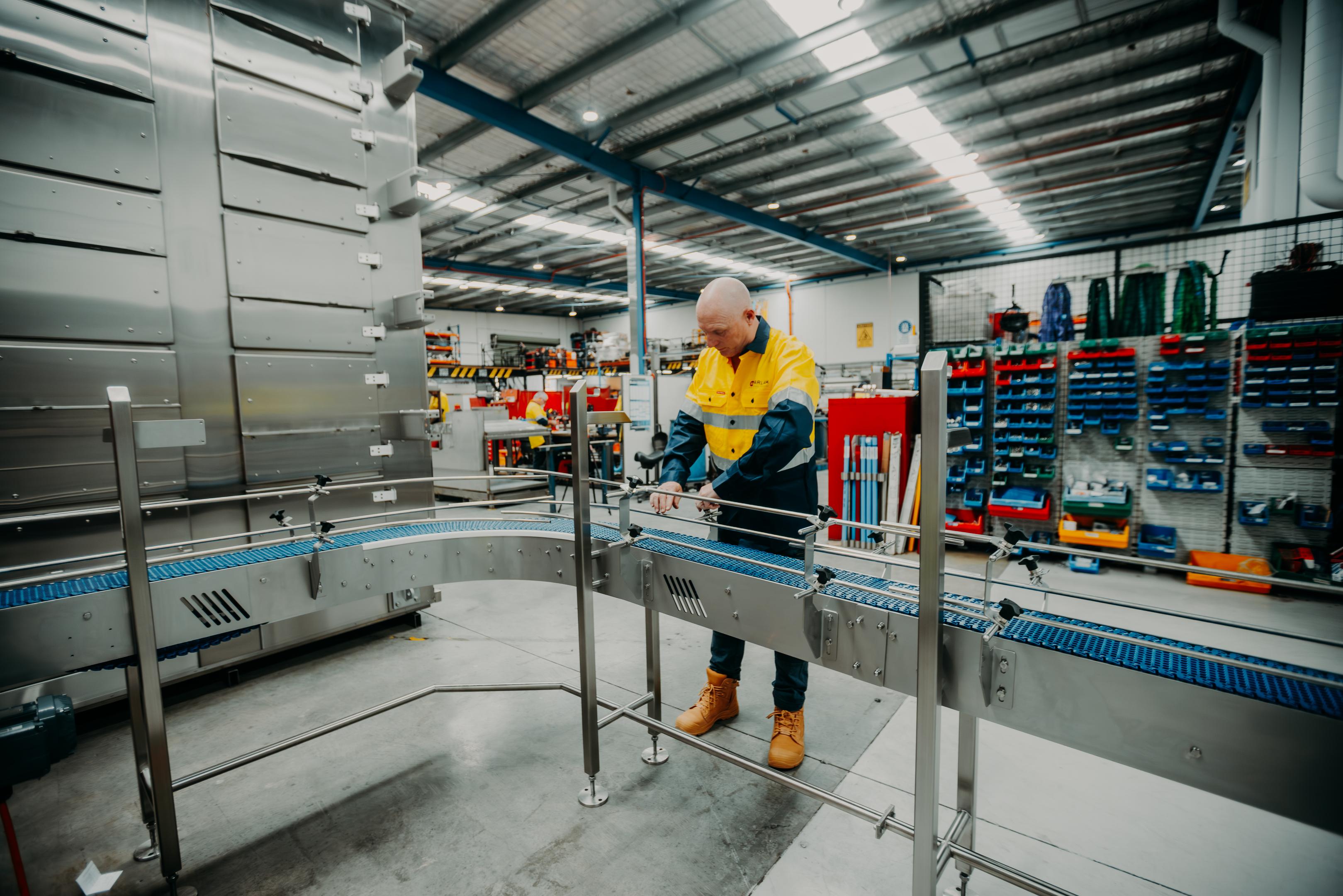
Jarlam Australia Case Studies
To view Jarlam case studies, please visit our website or contact our team. We look forward to hearing from you.