Walk into any modern food processing plant, brewery, or commercial kitchen in Australia and you’ll notice one material dominating almost every surface, pipe, and piece of equipment: stainless steel. It’s not a trend or a cosmetic choice. It’s the backbone of an industry where hygiene, durability, and long term performance aren’t optional extras, they’re the job. From benchtops to tanks to conveyor frames, stainless steel has become the preferred choice for anyone building or maintaining equipment that food and beverages will touch.
In this article, we’ll break down why stainless steel holds this position, how fabrication and welding processes affect the quality of the finished product, and what businesses in the food and beverage industry should look for when commissioning new equipment or installations.
Food Grade Stainless Steel Fabrication
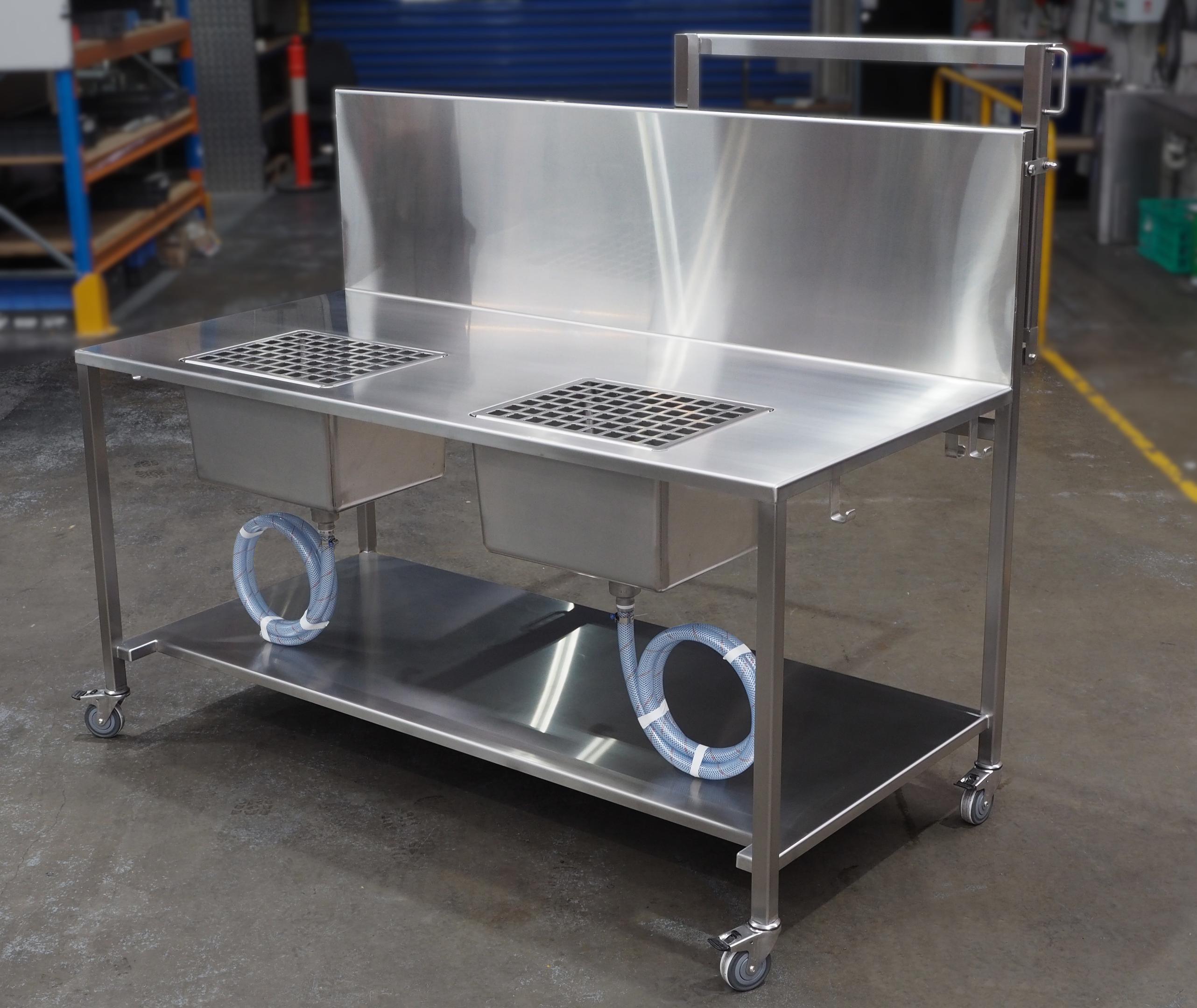
Food grade stainless steel fabrication refers to the design, cutting, forming, and assembly of stainless steel components built specifically to meet food safety standards. This isn’t the same as general metalwork. Every weld, seam, and surface finish has to be considered with contamination risks in mind. Sharp internal corners, porous welds, or rough surfaces can trap bacteria, grease, and food residue, so fabricators working in this space follow strict guidelines around surface finish, drainage, and material selection.
A skilled fabrication team will typically use austenitic grades of stainless steel, chosen for their strength and resistance to the acidic, alkaline, and high-moisture environments common in food processing plants. The fabrication process also has to account for how equipment will be cleaned, most facilities rely on wash-down procedures or clean-in-place systems, which means every joint needs to be smooth, sealed, and free from crevices where contamination could develop.
Stainless Steel Fabrication
Beyond food-specific applications, stainless steel fabrication is a broad discipline covering everything from structural framework to custom benching, splashbacks, exhaust hoods, and piping systems. Fabricators work with sheets, plates, and pipe of varying thickness depending on the load, pressure, or wear the finished component needs to withstand.
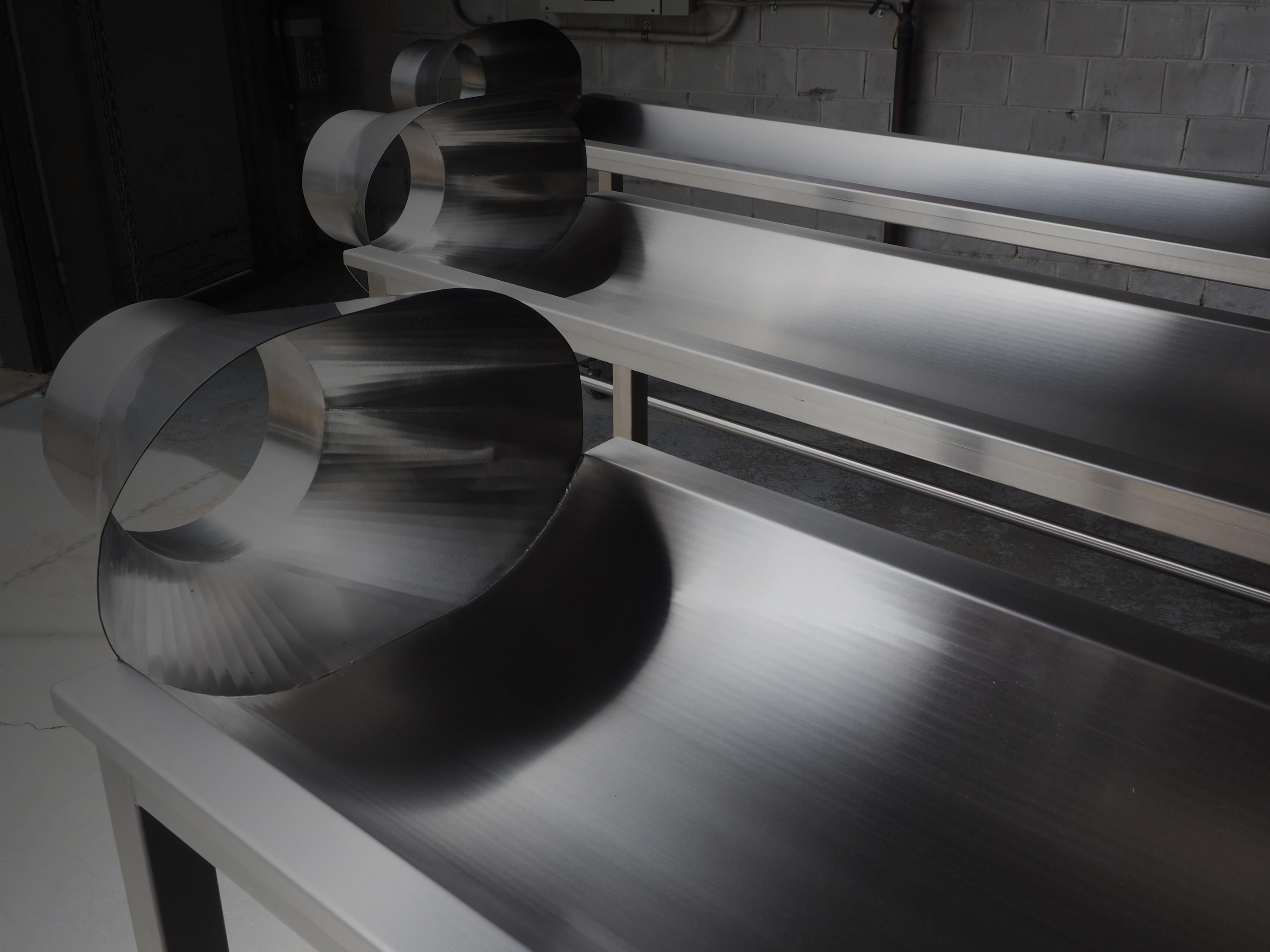
Good fabrication work depends on more than just cutting and joining metal. It requires an understanding of how different materials behave under heat, how equipment will be used day to day, and how to design components that are easy to clean and maintain over years of service. In the food and beverage industry specifically, fabrication projects often involve tanks, mixing vessels, transport lines, and workstations that need to be durable and deliver reliable performance under constant moisture, temperature swings, and rigorous cleaning schedules — all without corroding, cracking, or shedding particles into the product.
Welding Stainless Steel
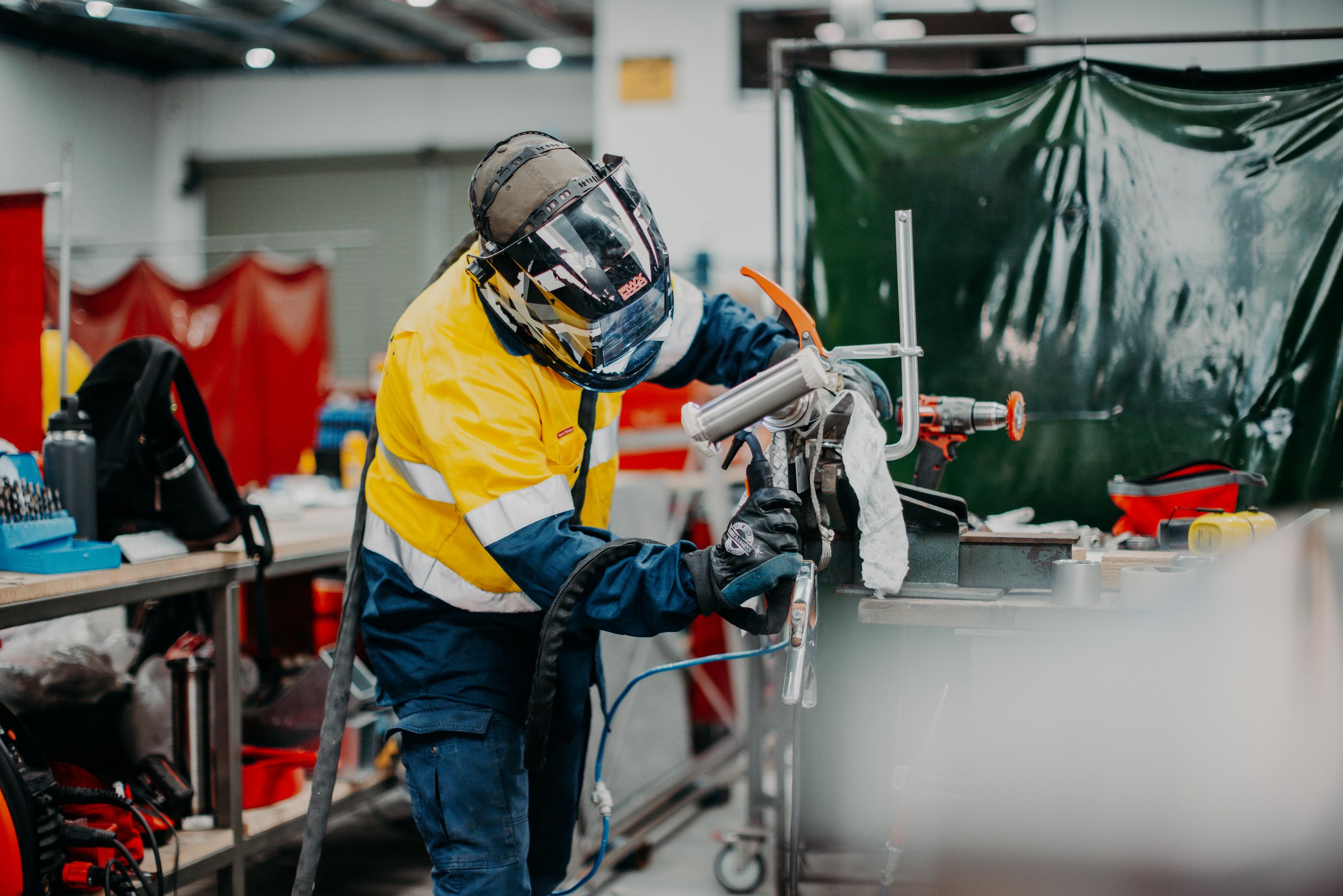
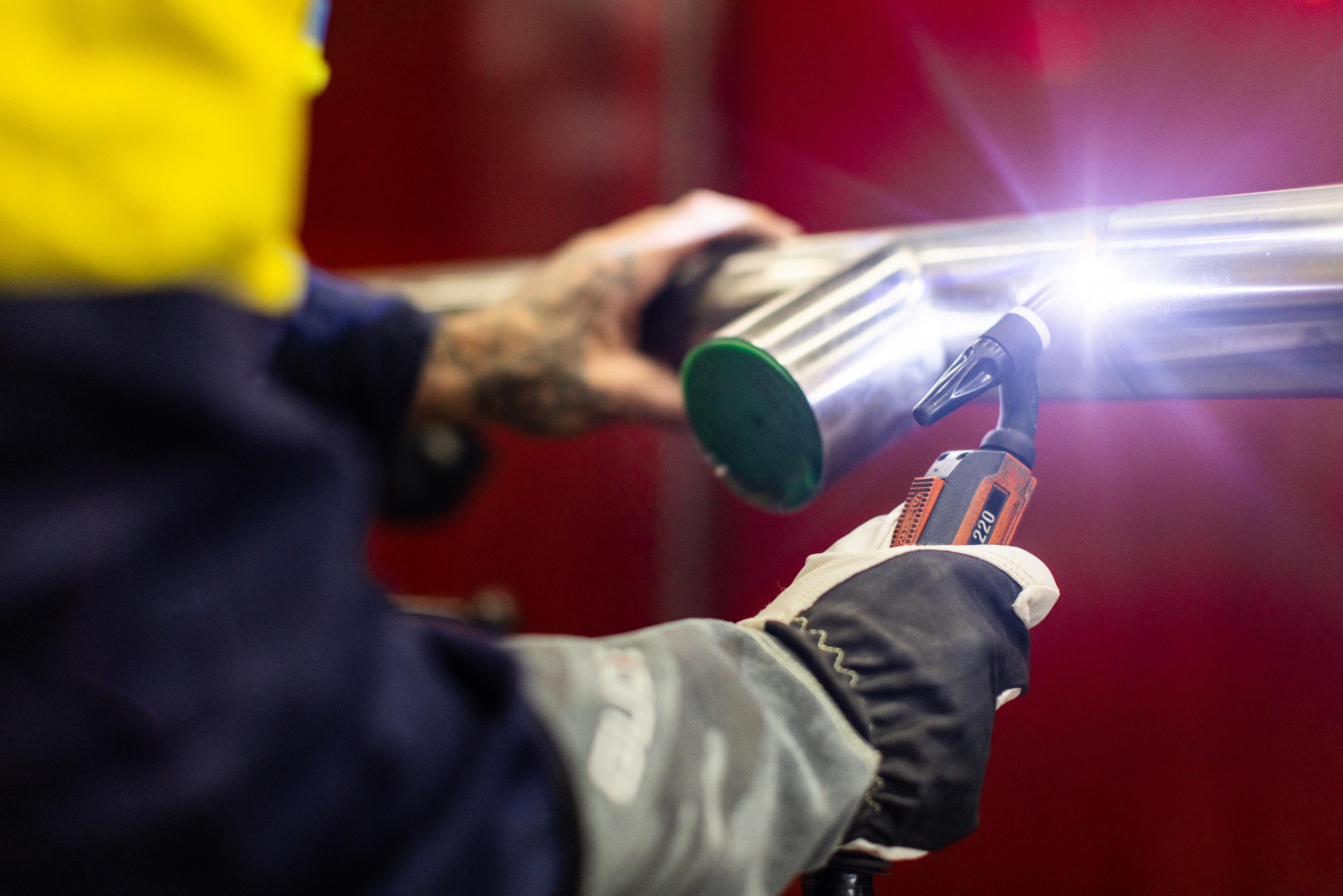
Welding stainless steel is a specialised skill that differs significantly from welding carbon steel or other metals. Because stainless steel has a lower thermal conductivity and expands more under heat, welders need to manage heat input carefully to avoid warping, discolouration, or damage to the material’s protective surface layer.
The choice of welding process, filler metal, and shielding gas all affect the strength and appearance of the finished weld, and the procedures and consumables also need to suit austenitic stainless steels. Poor technique can lead to weak joints, visible discolouration, or a rough surface that’s difficult to clean, a serious issue in facilities where hygiene is non-negotiable. Experienced welders working in food and beverage fabrication understand these nuances and adjust their approach depending on the thickness of the base metal, the grade of stainless steel involved, and the intended use of the finished component, while pre-weld cleaning removes contaminants such as grease and paint from the weld area.
Corrosion Resistance
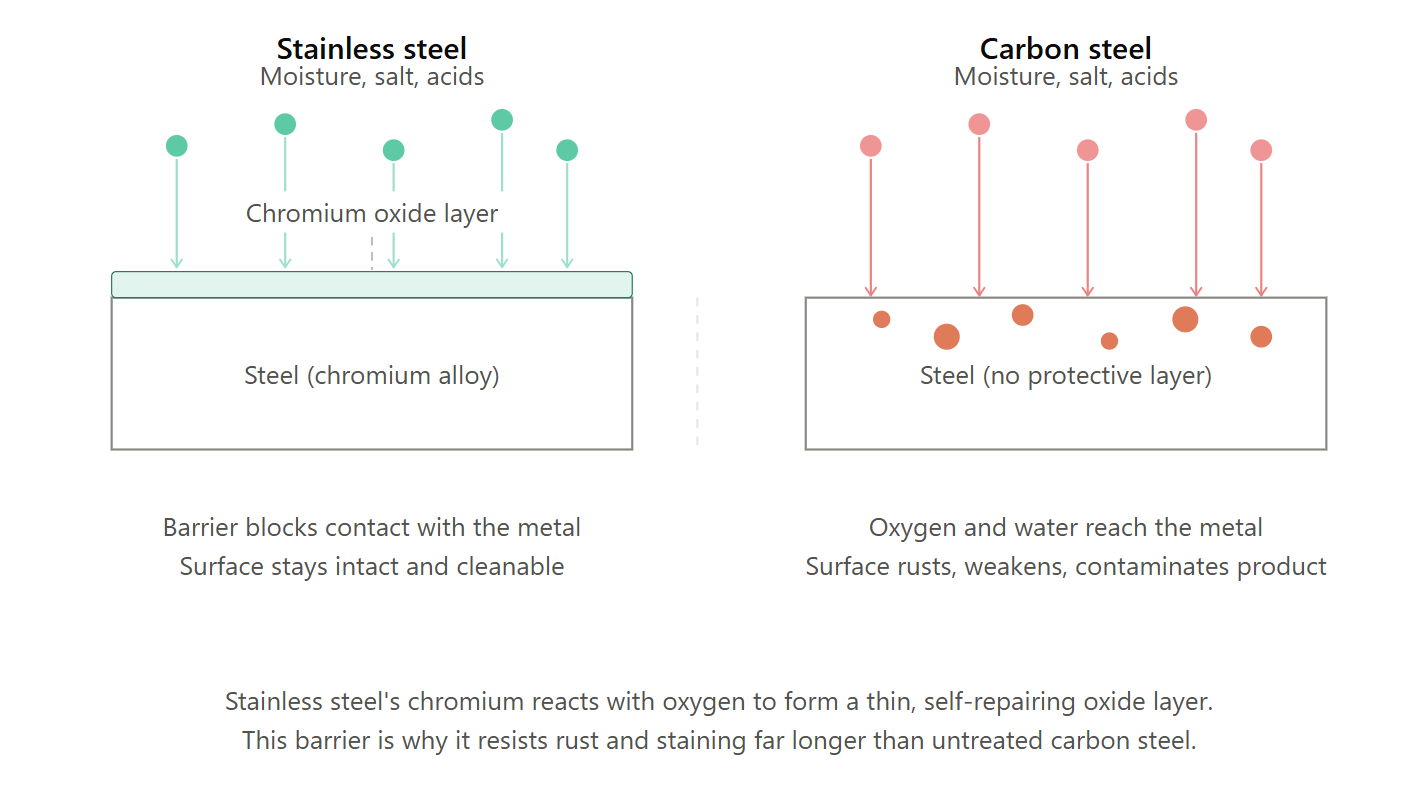
One of the biggest reasons stainless steel dominates this industry is corrosion resistance. Food processing environments are tough on materials, constant exposure to water, cleaning chemicals, salt, acidic ingredients, and temperature changes would quickly degrade most metals. Stainless steel handles these conditions with ease, maintaining its structural integrity and appearance over long periods of use.
This corrosion resistance comes down to the material’s composition. Unlike carbon steel, which rusts when exposed to oxygen and moisture, stainless steel resists this kind of degradation thanks to its chemical makeup. For any facility handling food or beverages, this reliability translates directly into fewer replacements, less downtime, and reduced maintenance costs over the life of the equipment.
Food Industry
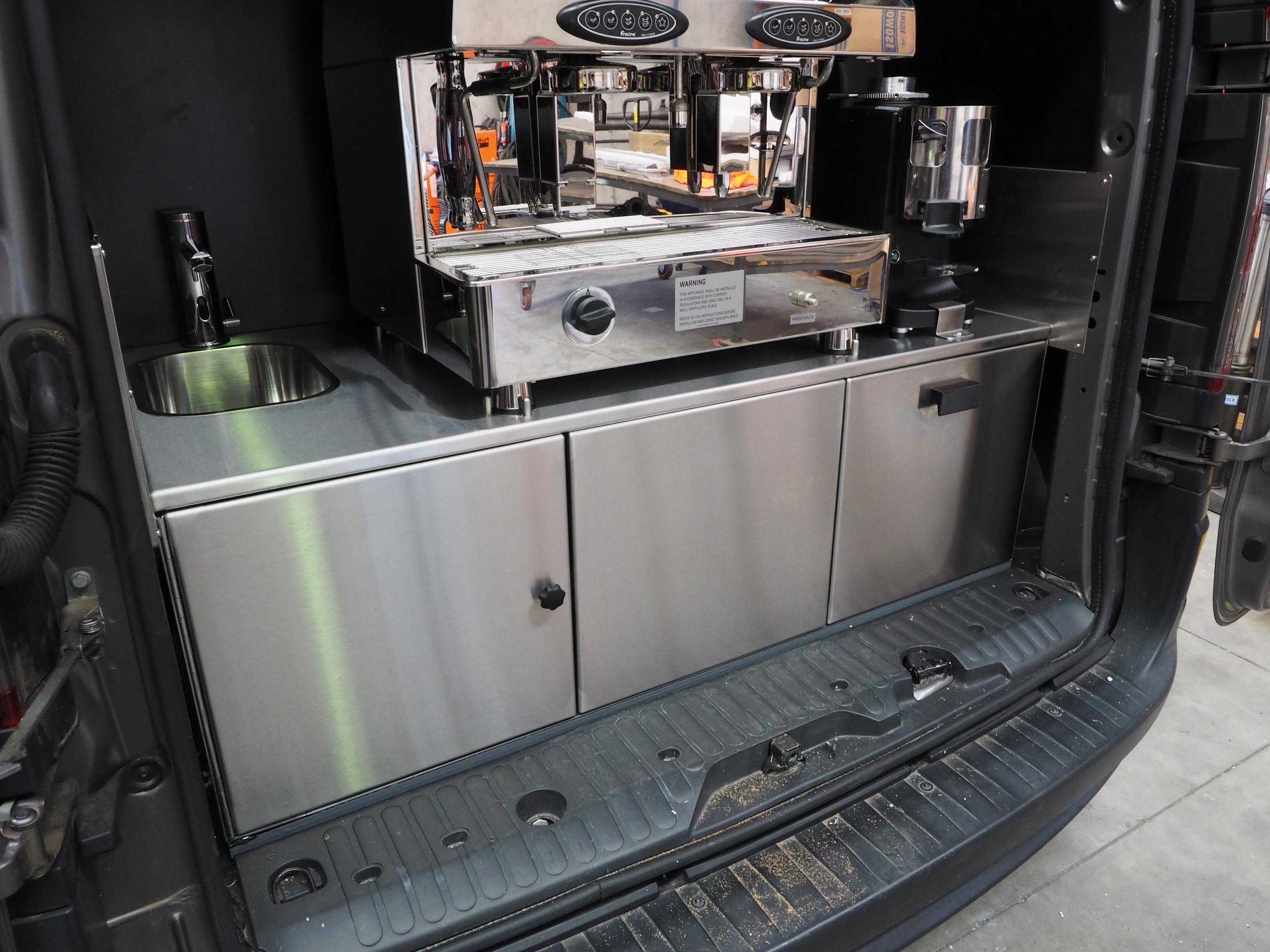
The food industry relies on equipment that can be cleaned thoroughly, repeatedly, and without degrading over time. From dairy processing to meat packing, bakeries, breweries, and commercial kitchens, every corner of the food industry depends on materials that won’t harbour bacteria or break down under constant washing.
Stainless steel checks every box the food industry needs. Its non-reactive, hygienic surface helps prevent bacterial growth, stays easy to sanitise, and doesn’t react with acidic or alkaline foods the way some other metals do. This aligns with Food Standards Code expectations for non-toxic, smooth equipment materials. Beyond the practical hygiene benefits, it also holds up structurally, tanks, benches, and piping systems built from stainless steel can handle heavy daily use for decades, which matters enormously to businesses that can’t afford unplanned downtime or equipment failure mid-production.
Stainless Steel
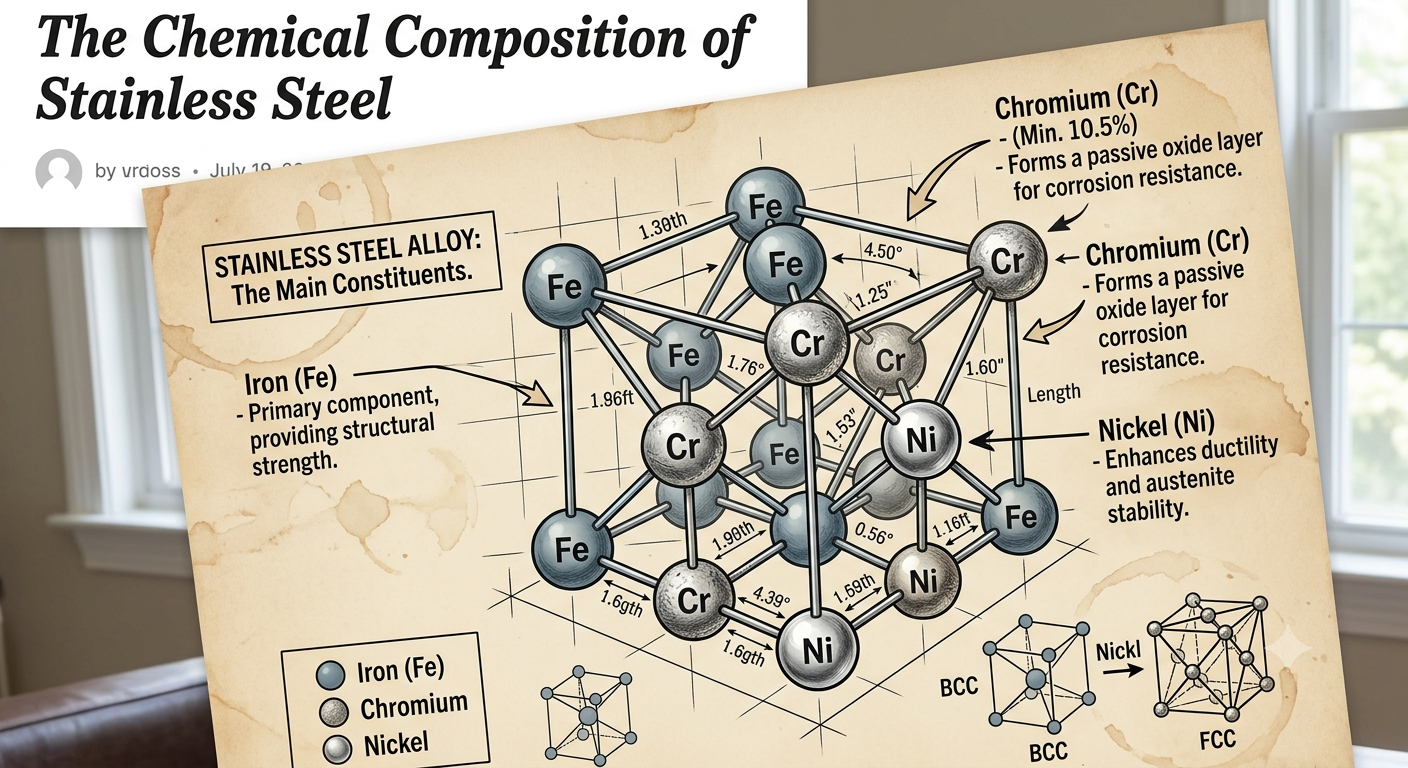
At its core, stainless steel is an alloy made primarily from iron, chromium, and often nickel, with low carbon content that improves its resistance to corrosion. This composition is what gives the material its distinctive combination of strength, durability, and resistance to rust and staining, hence the name.
For the food and beverage industry, stainless steel isn’t just a good option; it’s essential. Its ability to maintain hygiene standards, resist damage from cleaning chemicals, and last for years under demanding conditions makes it the standard material for almost every piece of equipment that comes into contact with food or drink, from small components to entire production lines.
Stick Welding
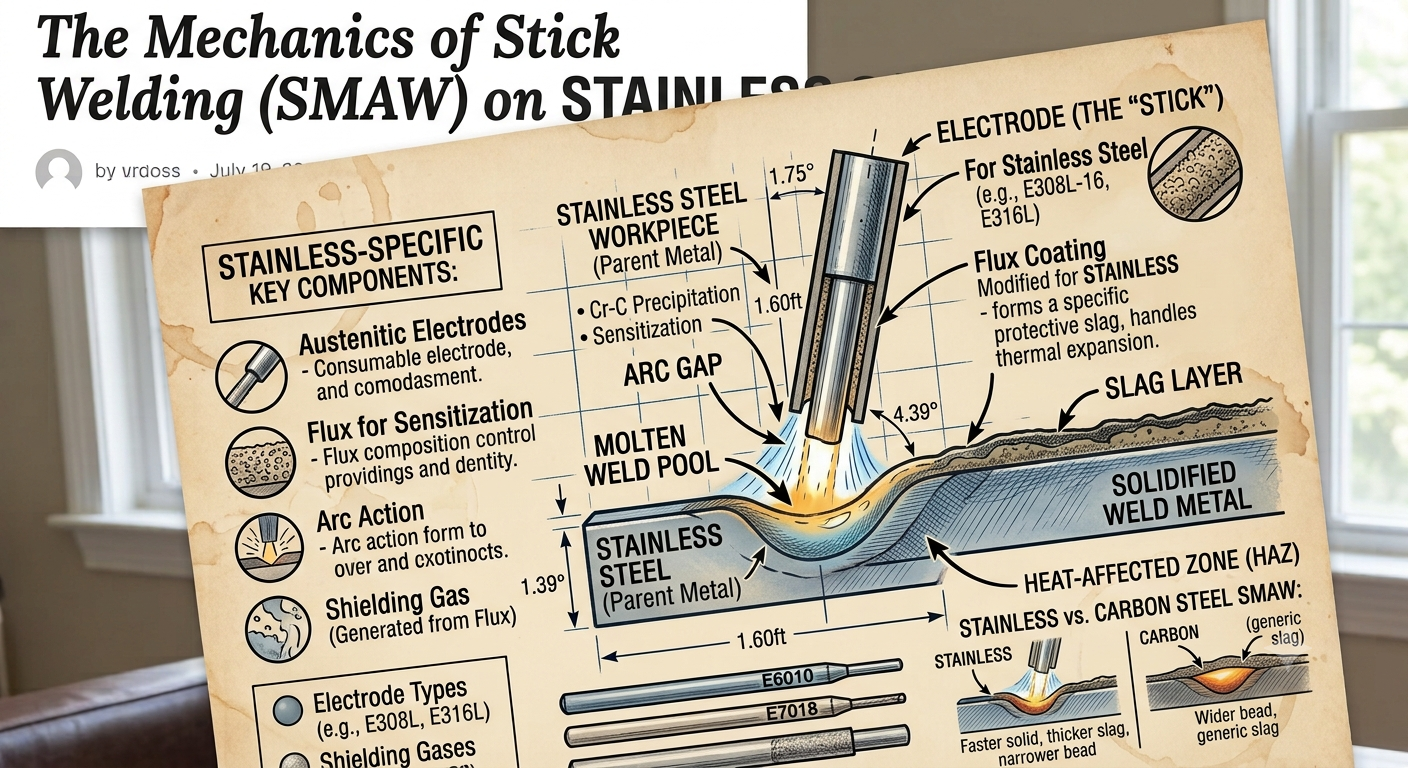
Stick welding, also known as shielded metal arc welding, is one of several methods used when welding stainless steel components. While it’s more commonly associated with heavier construction and outdoor work, stick welding can still play a role in certain stainless steel fabrication projects, particularly where portability or working outdoors is required.
That said, stick welding demands a skilled hand when applied to stainless steel, since it can be harder to control heat input compared to other methods. For most precision food industry applications, other welding processes tend to be favoured, but stick welding remains a useful tool depending on the project and equipment involved.
Food Safety
Food safety sits at the centre of every decision made in food and beverage equipment fabrication. Equipment has to be designed and built in a way that prevents contamination, supports easy cleaning, and holds up to the sanitation procedures required by health regulations.
This is why maintaining hygiene throughout the fabrication and installation process matters so much. Smooth welds, sealed joints, and the right surface finish all contribute to equipment that’s genuinely safe for food contact, not just on day one, but for years of ongoing use. Cutting corners during fabrication or welding can introduce risks that aren’t visible until contamination becomes a real problem for a facility.
TIG Welding
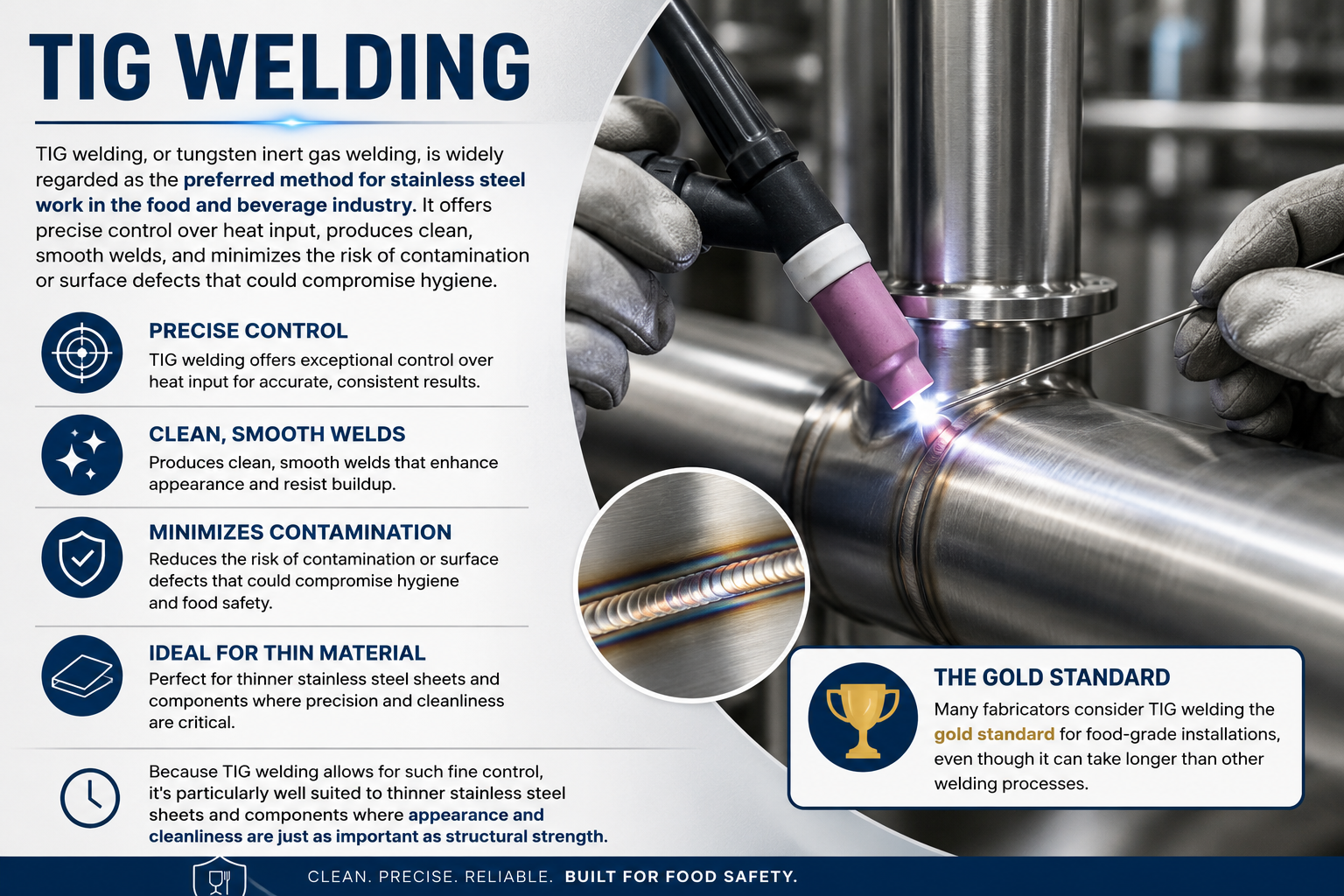
TIG welding, or tungsten inert gas welding, is widely regarded as the preferred method for stainless steel work in the food and beverage industry. It offers precise control over heat input, produces clean, smooth welds, and minimizes the risk of contamination or surface defects that could compromise hygiene.
Because TIG welding allows for such fine control, it’s particularly well suited to thinner stainless steel sheets and components where appearance and cleanliness are just as important as structural strength. Many fabricators consider TIG welding the gold standard for food-grade installations, even though it can take longer than other welding processes.
Excellent Corrosion Resistance
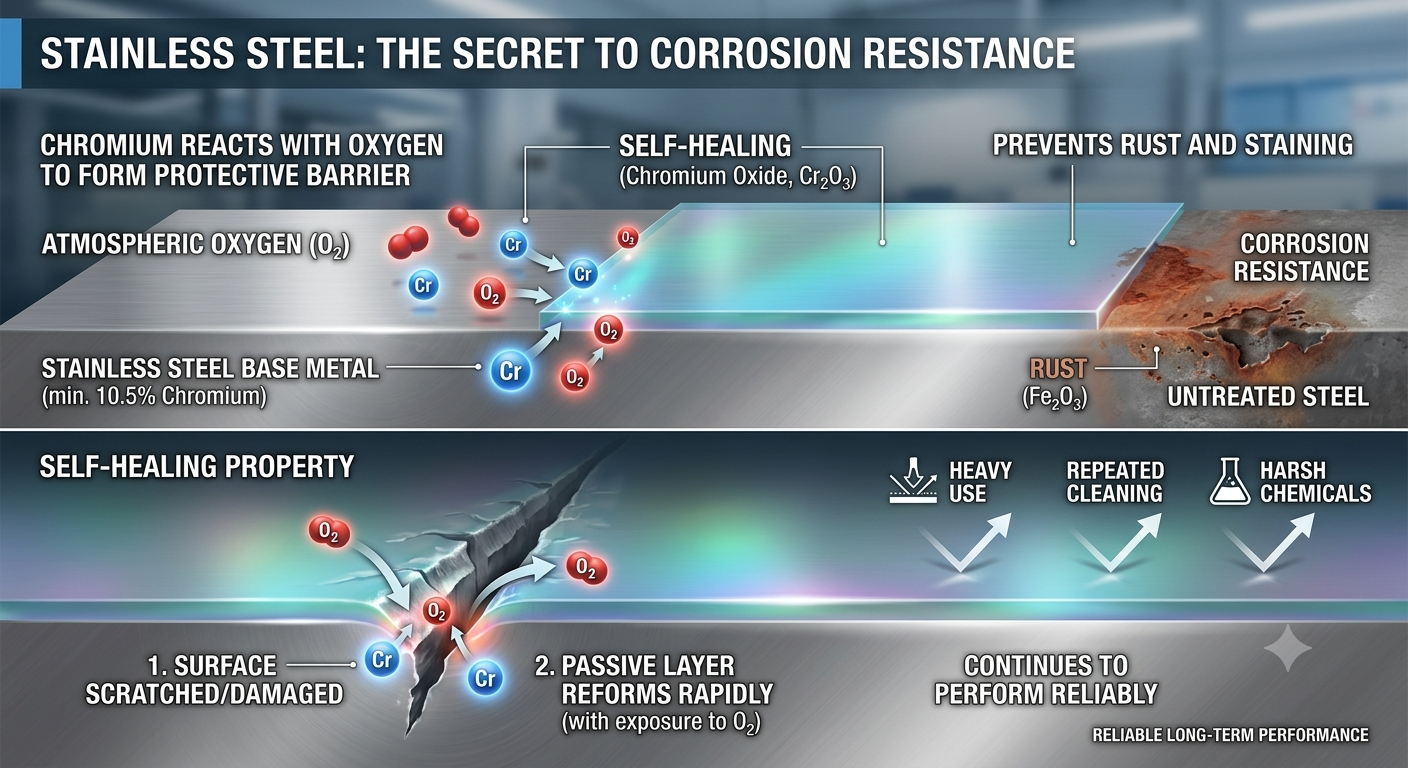
Stainless steel’s exceptional corrosion resistance is largely due to a thin, invisible chromium oxide layer that forms on its surface. This layer forms naturally when chromium in the steel reacts with oxygen, creating a protective barrier that prevents rust and staining, and which self-repairs if the surface is scratched or damaged.
This self-healing property is part of why stainless steel continues to perform reliably even after years of heavy use, repeated cleaning, and exposure to harsh chemicals, conditions that would quickly wear down untreated metals.
Mechanical Properties
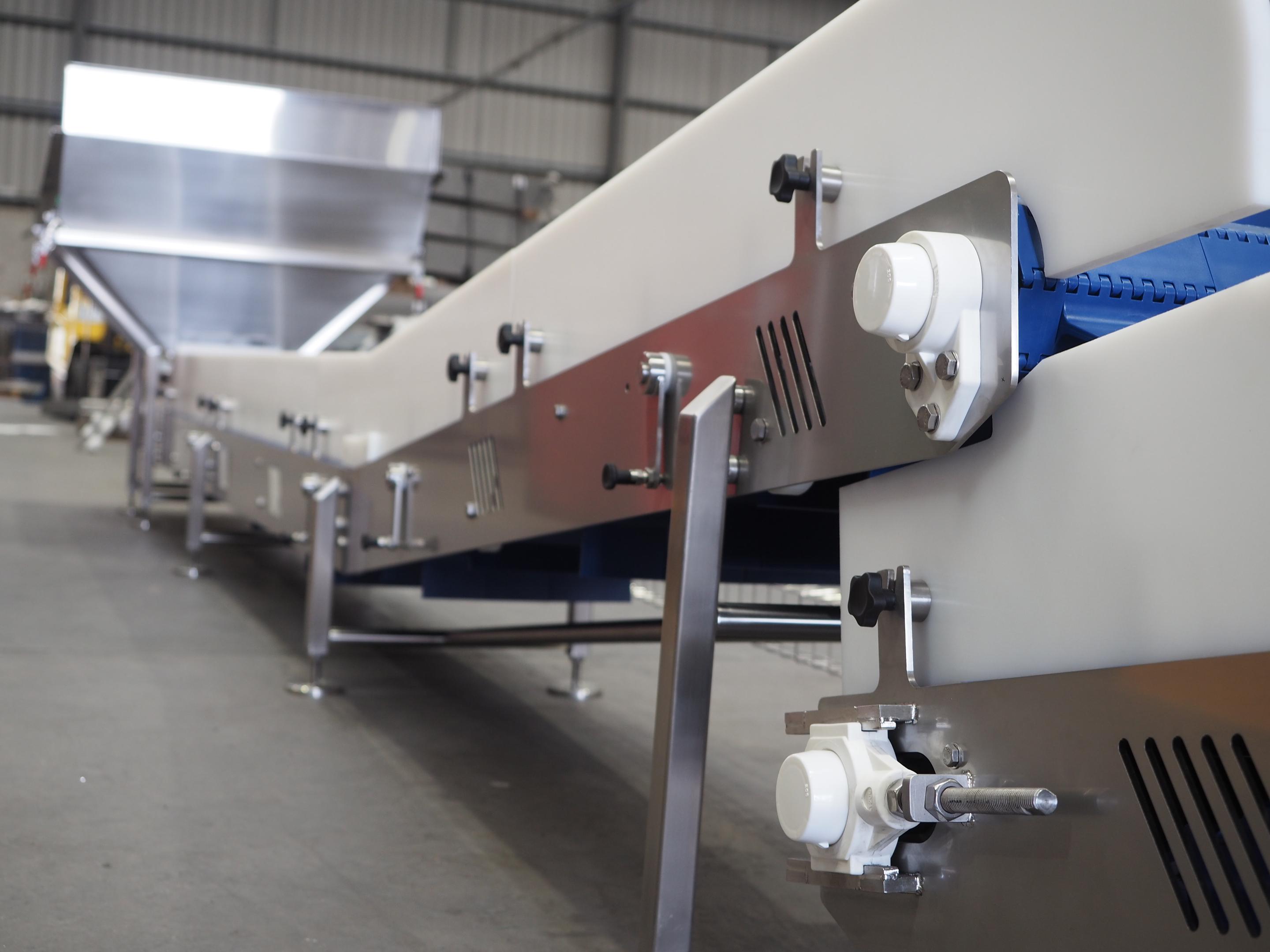
Beyond its resistance to corrosion, stainless steel also offers strong mechanical properties that make it suitable for demanding industrial applications. It holds its shape under pressure, resists impact and wear, and performs consistently across a wide range of temperatures, from refrigeration to cooking conditions, all qualities that matter enormously in food processing plants running heavy machinery day in and day out.
These mechanical properties, combined with its hygiene benefits, are why stainless steel continues to be specified for structural components as well as surface finishes throughout the food and beverage industry.
Preferred Material
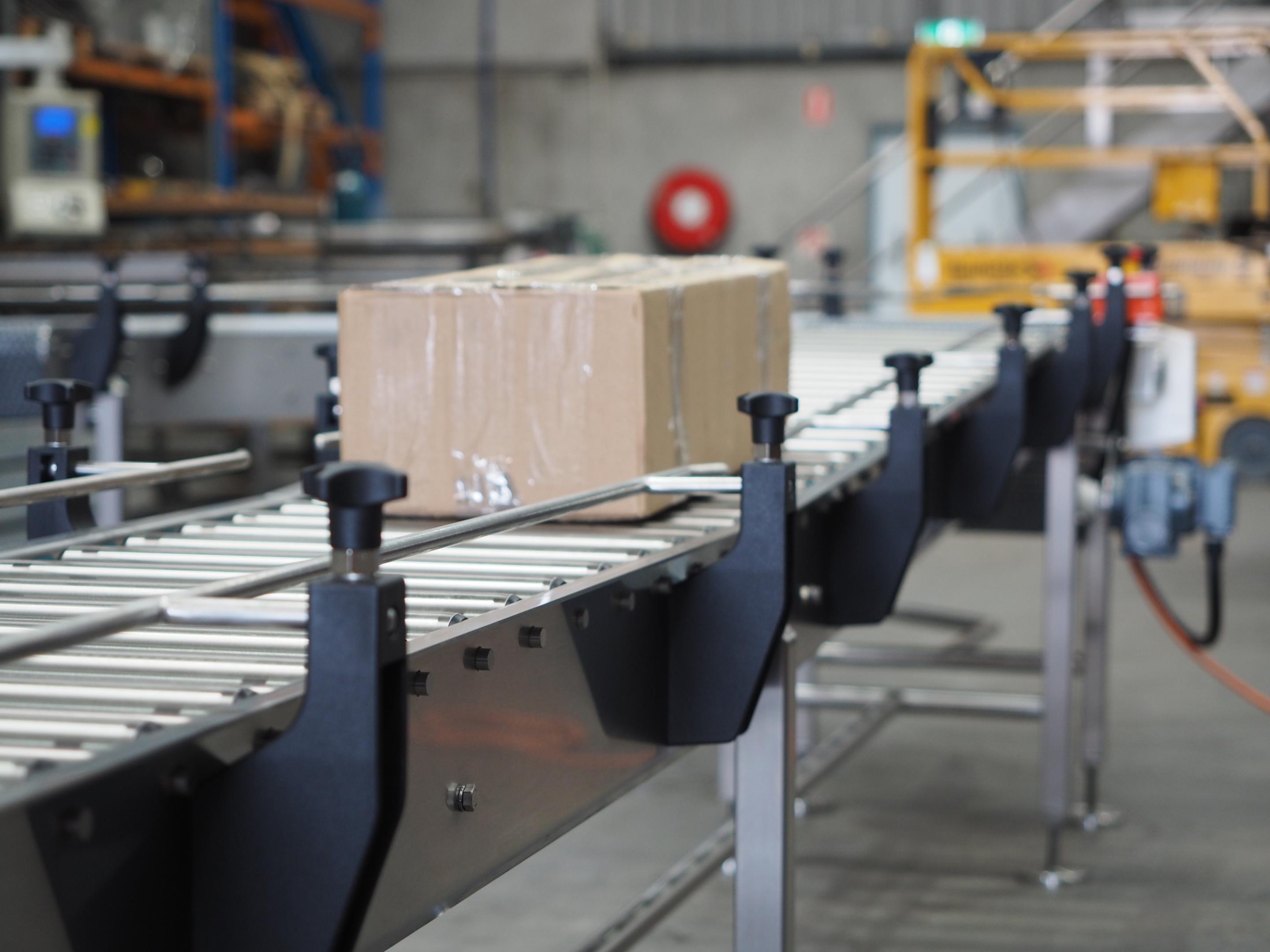
When you put all of these qualities together, corrosion resistance, mechanical strength, ease of cleaning, and long term durability, it’s easy to see why stainless steel remains the preferred material for fabrication and installation work across the food and beverage sector. Businesses across Australia rely on it because it simply performs, year after year, without the ongoing maintenance headaches that come with other materials.
Whether you’re planning a new installation, upgrading existing equipment, or need custom fabrication work for a food processing facility, choosing stainless steel, and working with fabricators and welders who understand its unique demands, is one of the most reliable decisions you can make for your business.
More Posts
Looking for more insights into stainless steel fabrication, welding, and equipment for the food and beverage industry? Check out our other posts for practical tips, industry updates, and guidance on getting your next project right.