Understanding Equipment Decommissioning in Food and Manufacturing Facilities
Equipment decommissioning is a critical stage in the lifecycle of any food or manufacturing facility. When machinery reaches the end of its operating life, production lines are reconfigured, or a plant is being upgraded or relocated, the decommissioning process must be carefully planned and professionally executed. Poorly managed decommissioning can expose a business to safety incidents, regulatory breaches, and unnecessary downtime.
At Jarlam Australia, we support clients across the manufacturing and food industries with structured, safe, and compliant decommissioning activities. Our team focuses on protecting people, assets, and the surrounding environment while ensuring every stage is carried out efficiently and in line with applicable regulations.
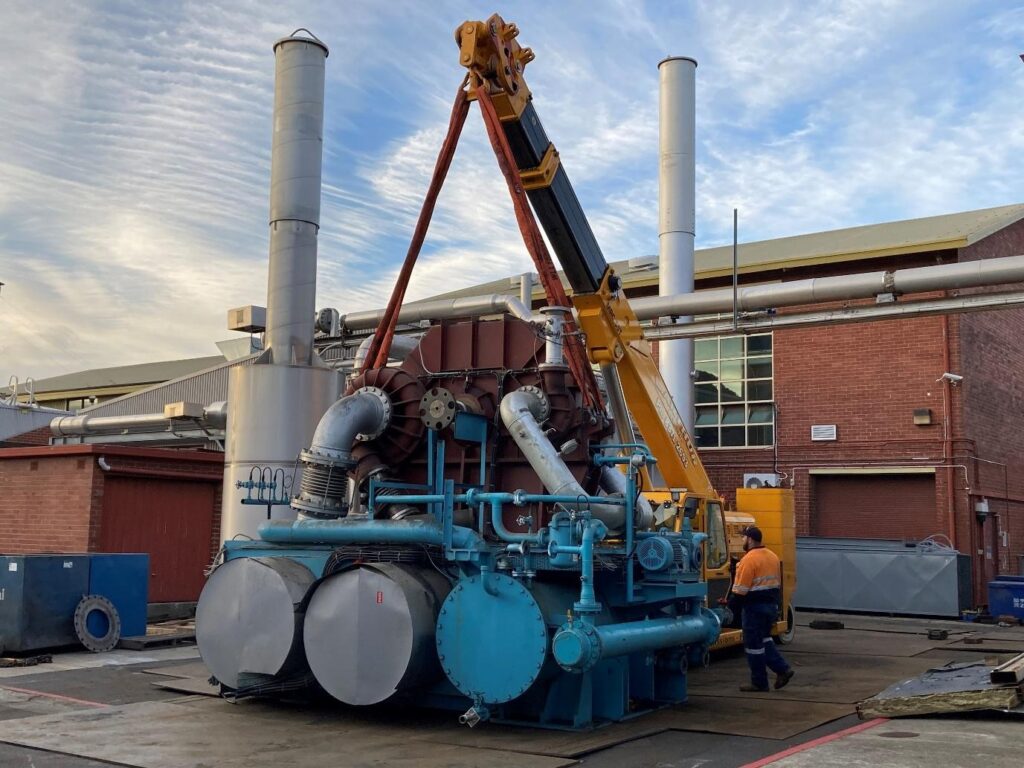
What equipment decommissioning involves in modern food and manufacturing facilities
Equipment decommissioning refers to the controlled removal of equipment, machinery, and associated structures from an operating facility or plant. This process goes beyond simple removal. It includes isolating power sources, assessing hazards, dismantling equipment, managing waste, and preparing assets for transport, relocation, or disposal. In regulated environments such as food production and pharmaceutical manufacturing, decommissioning must also address hygiene, contamination risks, and legislative requirements.
At Jarlam Australia, our decommissioning work is undertaken as a complete and coordinated service. We assess the site, define the scope of work, and develop a clear plan that considers safety, operations, and future installation requirements. Our experience allows us to manage a wide range of equipment decommissioning projects while minimising disruption to ongoing business activities.
Why plant decommissioning is critical for safety and compliance in the manufacturing industry
Plant decommissioning plays a vital role in maintaining safety and compliance within the manufacturing industry. As facilities evolve, outdated machinery or redundant systems can pose risks to workers and ongoing operations. Improperly decommissioned plant equipment may still carry residual power, hazardous materials, or structural instability, increasing the likelihood of incidents. Compliance with regulations and maintaining an operating licence often depends on demonstrating that decommissioning has been conducted correctly.
We understand that safety and compliance are non negotiable for our clients. Our team ensures plant decommissioning is carried out in line with legislative requirements and industry standards. By applying structured controls and documented procedures, we help eliminate hazards, protect workers, and support clients in maintaining compliance throughout the decommissioning stage.
Planning a controlled shutdown through detailed risk assessments and site evaluations
Effective decommissioning begins with thorough risk assessments and a detailed site assessment. This planning phase identifies hazards related to machinery, power sources, materials, and the surrounding environment. Risks may include working at height, confined spaces, manual handling, or interactions with live operations. Identified risks must be assessed and controlled before any physical work begins.
At Jarlam Australia, we conduct comprehensive assessments as part of every project. Our management team works closely with clients to understand site conditions, operating constraints, and expected outcomes. These risk assessments allow us to plan resources, sequence tasks, and ensure decommissioning activities are conducted safely and efficiently from start to completion.
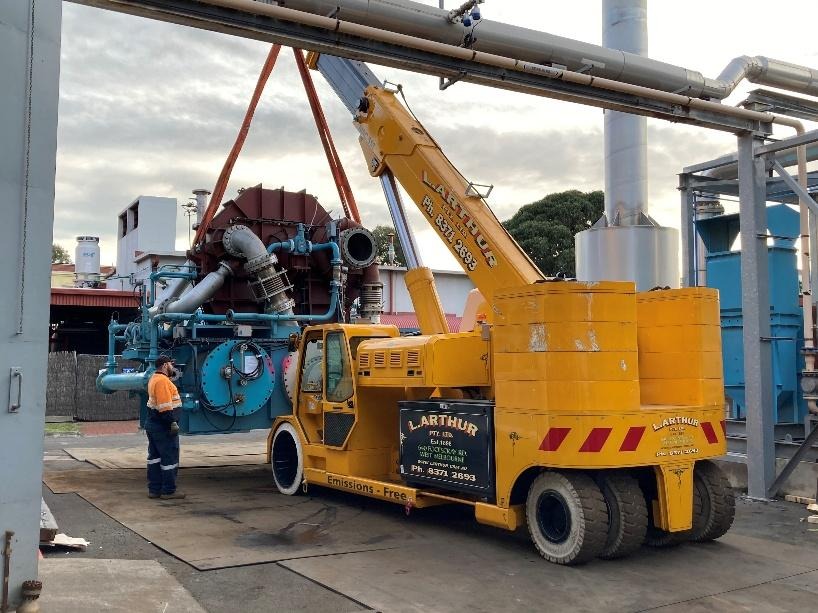
The role of project management in coordinating safe equipment decommissioning works
Project management is essential for coordinating complex decommissioning activities across multiple trades, timelines, and stakeholders. Without strong project management, decommissioning work can quickly become fragmented, leading to delays, increased risks, and cost overruns. A structured management approach ensures that all tasks are identified, responsibilities are clear, and progress is monitored throughout the project.
Our project management services provide clients with confidence and control. We manage the full decommissioning process, from planning and scheduling through to completion. By coordinating our team, subcontractors, and site personnel, we ensure work is carried out safely, efficiently, and in alignment with the agreed scope and objectives.
Isolation procedures and lock out tag out requirements before dismantling begins
Isolation of power, fluids, and energy sources is a fundamental requirement before any dismantling or removal work begins. Lock out tag out procedures ensure that machinery cannot be inadvertently re-energised during decommissioning activities.
At Jarlam Australia, isolation and control procedures are an essential part of our decommissioning plan. Our trained workers verify that power, compressed air, liquids, and other energy sources are isolated before work proceeds. This focus on control and protection helps us eliminate risks and create a safe working environment for everyone involved.
Managing decontamination activities to meet hygiene and regulatory standards
In food and sensitive manufacturing environments, decontamination activities are a critical component of equipment decommissioning. Machinery, cooling tower systems, and process equipment may contain residues, chemicals, or biological contaminants that must be addressed before dismantling or transport. Proper decontamination protects workers, prevents environmental contamination, and supports compliance with regulations.
We incorporate decontamination into our decommissioning activities where required. Our team coordinates decontamination work to ensure equipment is safe for handling, relocation, or disposal. By managing these activities in line with applicable health and safety regulations, we help clients protect their facility, their people, and their surrounding land.
Safe dismantling methods to protect assets, personnel, and surrounding operations
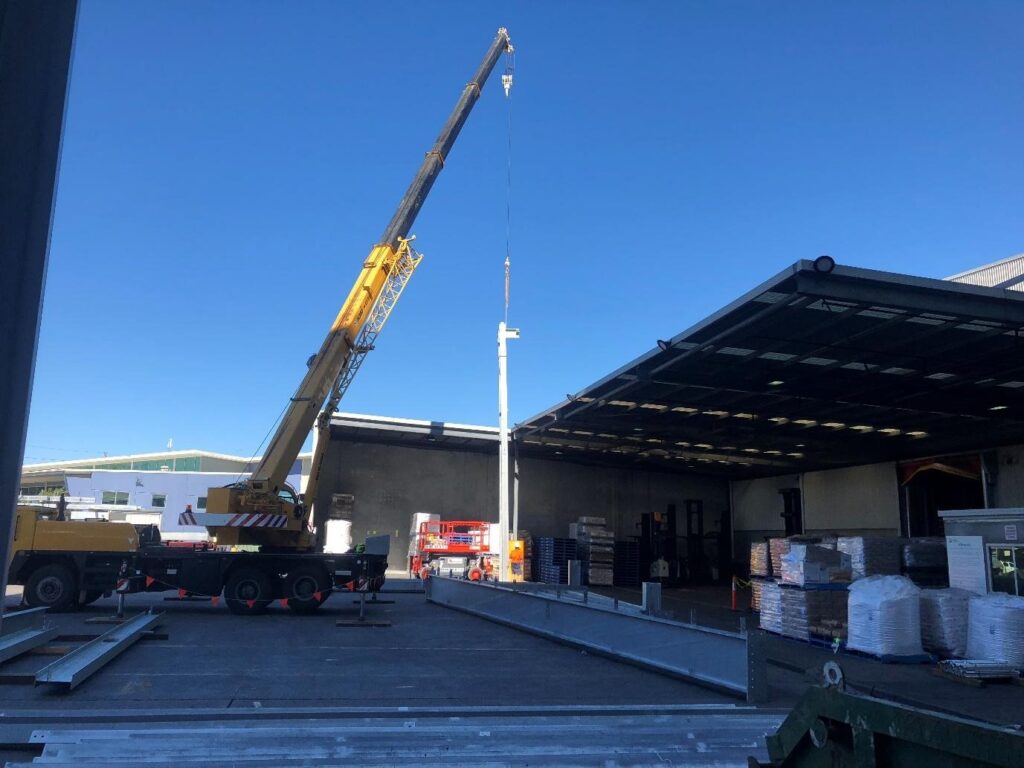
Dismantling machinery and structures requires careful consideration of stability, load paths, and lifting requirements. Poorly planned dismantling can damage equipment, compromise surrounding operations, or place workers at risk. The use of appropriate cranes, lift plans, and planning is essential to achieve safe outcomes.
Jarlam Australia has extensive experience in dismantling complex equipment and plant structures. We utilise suitable cranes, including franna cranes where applicable, and develop engineered lift plans to control risks. Our team ensures dismantling is carried out in a controlled manner, protecting assets and allowing operations in adjacent areas to continue safely.
Preparing machinery for equipment relocation, transport, or compliant disposal
Once equipment has been dismantled, it must be prepared for relocation, transport, or disposal. This stage includes securing machinery, protecting sensitive components, and ensuring materials are packaged appropriately. Decisions around reuse, relocation to another factory, or disposal as waste must be made with consideration of environmental and business factors.
We support clients through this stage by managing removal, transport, and disposal services. Whether machinery is being relocated to a new site or prepared for compliant disposal, our team ensures all steps are carried out efficiently. We manage logistics, coordinate cranes and transport resources, and ensure materials are handled in line with environmental regulations.
How equipment installation planning connects to successful decommissioning outcomes
Equipment decommissioning and installation are closely linked. The way equipment is removed can significantly impact the success of future installation works. Poor planning during decommissioning can lead to examples such as damaged infrastructure, extended downtime, or additional maintenance requirements during installation.
At Jarlam Australia, we take a holistic view of decommissioning and installation. Our engineering and project teams consider future installation requirements during the decommissioning process, including handling complete site make-good and ensuring smooth handovers. This integrated approach helps clients achieve smoother transitions, reduce downtime, and support efficient recommissioning of new equipment.
Meeting regulatory requirements and documentation obligations during plant decommissioning
Regulatory compliance is an essential aspect of plant decommissioning. Documentation may be required to demonstrate that decommissioning activities were conducted safely, hazards were identified and controlled, and waste was managed appropriately. Failure to comply with regulations can place a company at risk of penalties.
We ensure all decommissioning work is documented and conducted in accordance with applicable legislative requirements. Our management team works with clients to provide the necessary records, reports, and further information to support compliance. This attention to detail gives clients confidence that their decommissioning project has been completed to the expected standard.
Why choosing the right partner is essential for safe and efficient decommissioning
Selecting the right company to manage decommissioning is essential to achieve safe and successful outcomes. Experience, training, and access to the right resources all play a role in managing risks and ensuring work is completed efficiently. A capable team can assess hazards, manage workers, and maintain control throughout every stage of the project.
At Jarlam Australia, our focus is on delivering reliable decommissioning services that protect our clients’ business interests. Our team brings experience across a wide range of decommissioning projects, supported by strong management systems, training, and a commitment to health and safety.
Our approach to complete equipment decommissioning projects
Every decommissioning project is unique, with its own scope, risks, and operational considerations. A successful outcome depends on understanding client expectations, site constraints, and the environment in which work is undertaken. Clear planning, communication, and execution are essential.
We work closely with our clients to develop a tailored decommissioning plan that aligns with their operations and business goals. From initial assessment through to completion, our services are designed to manage risks, control costs, and deliver projects on time. This structured approach allows us to achieve consistent and dependable results.
Partner with Jarlam Australia for professional equipment decommissioning
When it comes to equipment decommissioning, experience and planning make all the difference. Whether you are shutting down a single piece of equipment, decommissioning an entire plant, or preparing for relocation or demolition, having the right team involved is critical.
Our team is ready to assess your site, manage the decommissioning process, and deliver safe, compliant, and efficient outcomes for your facility and operations.
Contact Jarlam Australia today to discuss your decommissioning requirements.